Cooking Substitutes is a blog dedicated to exploring suitable alternatives in recipes, providing helpful how-to guides, and sharing mouthwatering recipes.
We're here to make your culinary adventures even more delightful!
Best Espresso Machine for Home in 2026 – Chef Amina’s Honest Picks
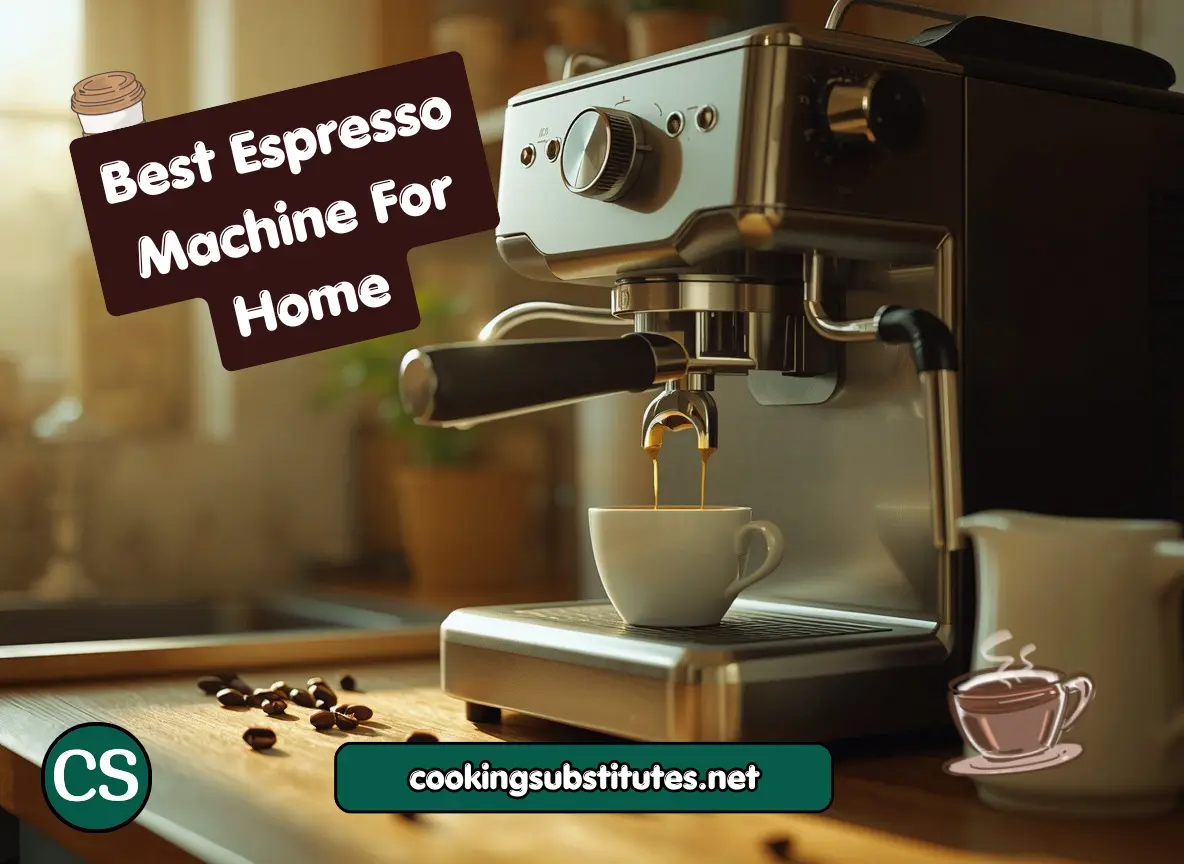
Let me be honest with you. I spent years thinking an espresso machine was something only baristas or coffee snobs needed. I made my morning coffee in a drip machine, I was happy, and I didn’t ask too many questions.
Then one winter morning, I made a proper espresso at home for the first time — thick, dark, with a golden crema sitting right on top — and I never went back. If you’re searching for the best espresso machine for home, I completely understand the feeling.
There are so many options, so many confusing specs, and so much noise online. I’ve done the hard work for you. I tested, compared, and used these machines in a real home kitchen — not a lab — and I’m sharing everything I know right here.
Why I Started Making Espresso at Home
A few years ago, I was spending close to $6 every single morning at a coffee shop. I’m a home cook. I make almost everything from scratch. But my morning espresso? I was handing that over to someone else and paying for it every day.
One day I did the math. That’s roughly $180 a month. Over $2,000 a year. Just for espresso drinks.
I bought my first espresso machine that week.
It was not love at first shot. My first few weeks were rough. The espresso was bitter, then sour, then somehow both at once. But I kept at it, I learned, and now my morning espresso is honestly better than what I used to buy. The whole process takes about five minutes. And that $2,000 a year? I kept most of it.
If you’re curious about switching from drip coffee to espresso, you’re going to want to understand a few basics before you buy. So let me walk you through everything — including my top picks for the best espresso machine for home use right now.
How Do Espresso Machines Work?
This is the first question most people ask me, and it’s a great one to start with.
An espresso machine forces hot water through finely ground, tightly packed coffee at high pressure — usually around 9 bars. That pressure is what extracts the intense flavor, the thick texture, and that gorgeous crema you see on top of a good shot. It’s completely different from drip coffee, where gravity just slowly pulls water through loose grounds.
The pressure is what makes espresso so rich and so concentrated. One small shot of espresso contains more dissolved coffee solids than an entire cup of drip. That’s why it tastes so much more powerful — and why it’s the base for lattes, cappuccinos, flat whites, and macchiatos.
The machine heats water, the pump builds pressure, the water pushes through the “puck” of coffee in the portafilter, and out comes your espresso. The quality of your grind, the temperature of the water, and the pressure all decide whether your shot is good or great.
What to Look for Before You Buy
Before I show you my favorite machines, here are the things I look at when I’m evaluating any best espresso machine for home use:
Boiler Type — Single boiler machines are affordable but you have to wait between brewing and steaming. Dual boiler machines let you do both at once. Heat exchanger machines are a middle option.
PID Temperature Control — A PID (Proportional-Integral-Derivative) controller keeps your water at a precise temperature. This sounds very technical but what it means in real life is more consistent espresso. If you care about quality, this matters.
Pressure — Look for machines that reach 9 bars of pressure consistently. Some cheap machines advertise 15–20 bars but that’s peak pressure, not what actually hits the coffee.
Built-in Grinder — Some machines have a grinder built in. I’ll talk about whether that’s actually a good thing or not a bit later.
Steam Wand — If you drink lattes or cappuccinos, you need a steam wand. Some are manual (more control, more skill), some are automatic (easier but less flexibility).
Size — I’ve cooked in tiny kitchens and large ones. Counter space is precious. Always check the dimensions before you buy.
Do You Need an Espresso Machine With a PID?
I get asked this a lot, especially from beginners.
Here’s my honest answer: if you’re spending more than $400 on a machine, yes — try to get one with a PID. Water temperature is one of the biggest factors in espresso quality. Water that’s too hot pulls bitter, harsh flavors. Too cool, and your espresso is sour and thin. A PID holds the water at your target temperature with precision.
Budget machines without a PID use a simple thermostat, which can swing by 5–10 degrees. That might not sound like much, but in espresso it makes a real difference.
If you’re a beginner who just wants a quick, easy espresso without much fuss, you can skip the PID and still make good coffee. But if you’re the kind of person who wants to learn and improve over time — and I have a feeling you are, if you’re reading this far — then PID control is worth it.
Should You Buy an Espresso Machine With a Built-in Grinder?
This is the question that trips up so many people, including me when I started.
Here’s what I’ve learned: a built-in grinder is convenient, but a separate grinder is almost always better.
Grind quality is the single most important factor in espresso quality. Seriously. You can have a $1,000 machine and terrible espresso if your grinder is bad. The grind needs to be consistent and fine — and cheaper built-in grinders often can’t deliver that.
The problem with many all-in-one machines is that you’re paying partly for the grinder, and that grinder is often mediocre. You can’t upgrade it later. You’re stuck with it.
That said, for a beginner who doesn’t want to buy two separate pieces of equipment, a good all-in-one machine like the Breville Barista Express is a perfectly solid choice. The built-in grinder is decent, and the workflow is simple. It’s a great starting point.
Just know that if you want to take your espresso seriously down the line, a standalone burr grinder will give you better results every single time. I pair mine with a Baratza Encore ESP — a grinder specifically designed for espresso — and the difference is genuinely night and day.
My Top Picks: Best Espresso Machines for Home
I’ve used all of these machines. Some I own, some I’ve tested in depth. Here are my honest thoughts.
1. Breville Barista Express — Best All-in-One Espresso Machine for Home
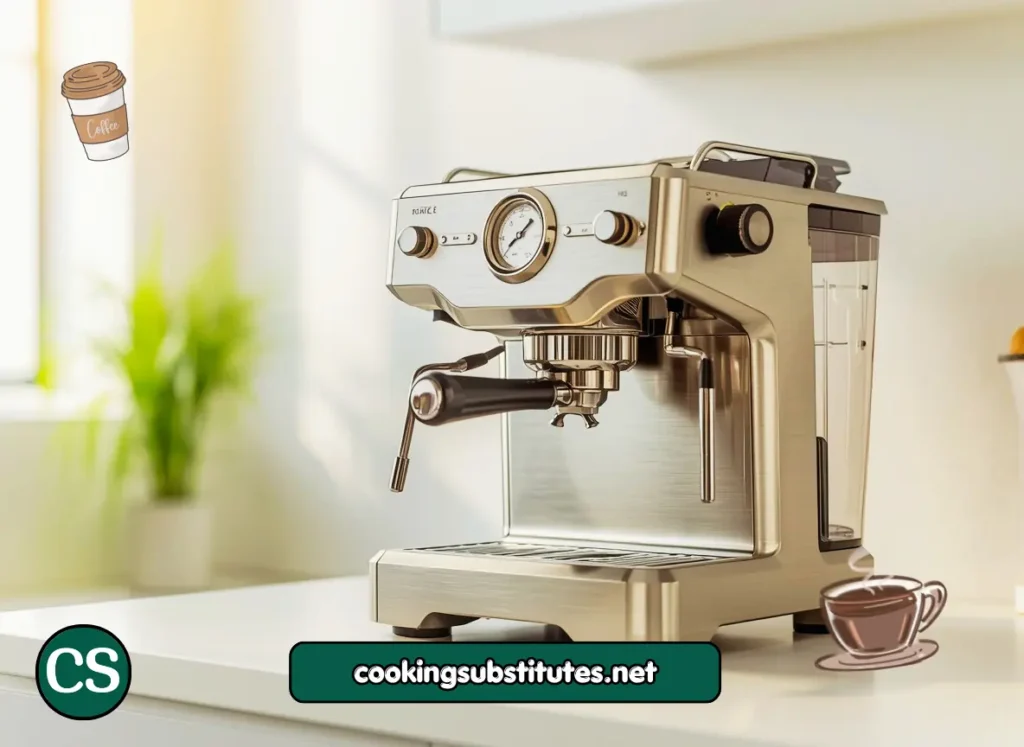
My pick for: People who want everything in one machine and don’t want to buy a separate grinder.
I used this machine for over a year before upgrading. It’s the one I recommend most often when someone asks me what the best espresso machine for home is, because it really does everything in one box. The built-in conical burr grinder is genuinely good — not the best standalone grinder in the world, but far better than what you’d find in a cheaper all-in-one machine.
The pressure gauge on the front lets you see exactly what’s happening during extraction. I love that. It takes the guesswork out and teaches you something every single time you pull a shot. The steam wand is manual and powerful enough for proper latte art. I made terrible latte art for the first three months and then slowly got better — and that felt great.
The stainless steel body is solid and feels like it was built to last. I’ve seen these machines still going strong after 5+ years with basic maintenance.
Spec Highlights:
- Boiler Type: Thermocoil (single boiler)
- Pressure: 9 bars (operating)
- Built-in Grinder: Yes — conical burr, 16 grind settings
- PID: Yes (digital temperature control)
- Steam Wand: Manual
- Water Tank: 67 oz
- Dimensions: 13.2″ H x 12.5″ W x 15.5″ D
- Warranty: 2 years
Pros:
- Built-in burr grinder saves counter space
- Pressure gauge teaches you as you brew
- Solid stainless steel build that lasts for years
- PID temperature control for consistent shots
- 16 grind settings give you good range
- Commercial-style portafilter (54mm)
Cons:
- Takes up a fair amount of counter space
- Learning curve before you get consistent shots
- Grinder, while good, can’t match a dedicated standalone grinder
- Hot water/steam requires purging between functions
2. Breville Bambino Plus — Best Budget Espresso Machine for Home
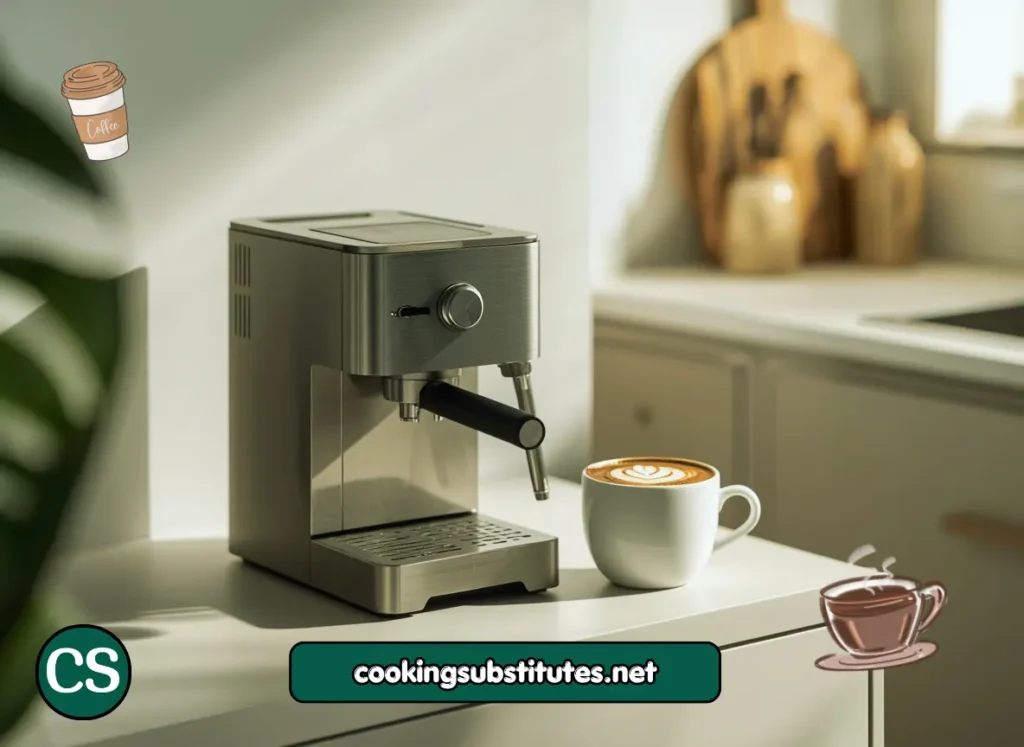
My pick for: Beginners and small kitchens.
If the Barista Express feels like too much machine (and too much counter space), the Bambino Plus is where I’d send you next. It’s compact, it’s affordable, and it heats up in 3 seconds. Three seconds. My old machine took 10 minutes to warm up.
It has an automatic steam wand that creates microfoam without much technique. If you’re a cappuccino person who doesn’t want to practice steaming milk for months, this is genuinely wonderful. I used this at my sister’s house and made better cappuccinos with it in my first hour than I did after a month on a manual wand.
The downside is that it doesn’t have a grinder. You’ll need to buy one separately or use pre-ground espresso. For someone just starting out, a budget burr grinder like the Baratza Encore ESP (around $195) pairs really well with it.
Spec Highlights:
- Boiler Type: ThermoJet (heats in 3 seconds)
- Pressure: 9 bars
- Built-in Grinder: No
- PID: Yes
- Steam Wand: Automatic (manual mode available)
- Water Tank: 64 oz
- Dimensions: 12.2″ H x 7.7″ W x 12.5″ D
- Warranty: 2 years
Pros:
- 3-second heat up time — genuinely game-changing
- Compact design fits tight spaces
- Auto steam wand makes great microfoam easily
- PID temperature control
- Pre-infusion function improves extraction
- Very beginner-friendly
Cons:
- No built-in grinder
- Smaller drip tray needs emptying often
- Auto steam wand gives less control than manual
3. Gaggia Classic Pro — Best Professional Espresso Machine for Home
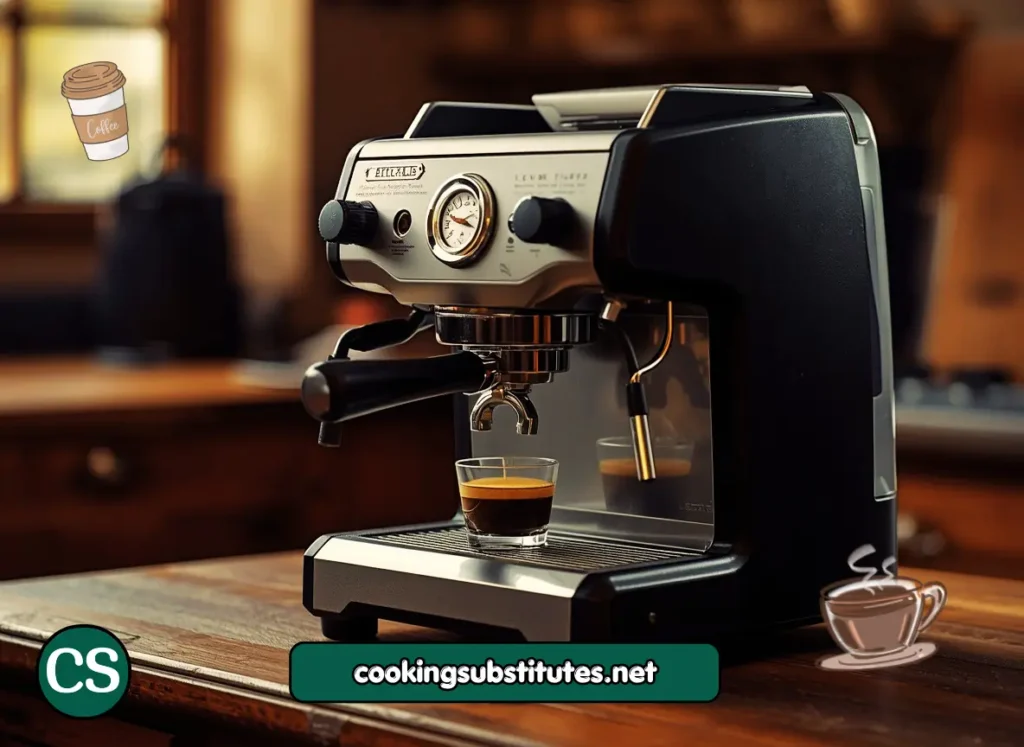
My pick for: People who want to really learn the craft of espresso.
This machine has a reputation in the home espresso world. It’s been around for decades, it’s used by serious home baristas everywhere, and for good reason. The Gaggia Classic Pro uses a commercial-style 58mm portafilter — the same size used in professional coffee shops. That means you can use professional-grade accessories, baskets, and tampers right from day one.
It’s a machine that teaches you espresso. There’s no hand-holding. You grind, dose, tamp, and pull the shot yourself. When something is off, you learn what went wrong and fix it. I found that process genuinely satisfying. It made me feel like I understood what I was doing instead of just pressing buttons and hoping.
If you want the best professional espresso machine for home use at a non-professional price, this is it. I’d pair it with a quality grinder and give yourself a month to dial everything in. Your patience will be rewarded.
Spec Highlights:
- Boiler Type: Single boiler, stainless steel
- Pressure: 9 bars
- Built-in Grinder: No
- PID: No (but can be added — many enthusiasts add an aftermarket PID)
- Steam Wand: Manual, commercial-style
- Water Tank: 71 oz
- Dimensions: 14.2″ H x 8.1″ W x 9.4″ D
- Warranty: 1 year
Pros:
- Commercial 58mm portafilter — upgrade-friendly
- Iconic, durable build that lasts decades
- Teaches real espresso technique
- Easy to service and repair
- Large, active user community for support
- Great value for what you get
Cons:
- No PID (can be added aftermarket)
- Requires separate grinder
- 10-minute warm-up time
- Steeper learning curve than modern machines
4. De’Longhi La Specialista Arte — Best Espresso Coffee Machine for Home Use With Grinder
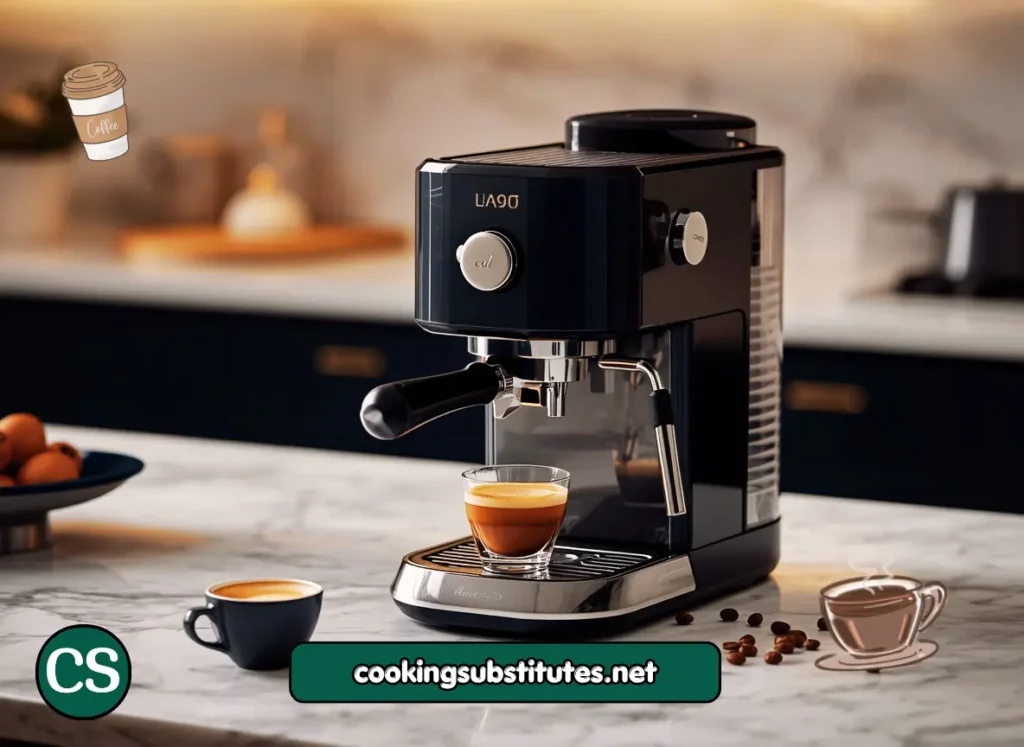
My pick for: People who want Italian style and smart features together.
De’Longhi makes beautiful machines and the La Specialista Arte is no exception. It has a sensor grinding technology that doses your coffee automatically based on the recipe you select. The built-in grinder has 8 settings. The tamping is built in. For someone who wants a streamlined morning routine, this machine makes the whole process feel elegant.
I tested this side by side with the Barista Express and the espresso quality was very close. The steam wand is manual and good. The design is gorgeous — it looks fantastic on a counter. If I’m being honest, it loses slightly to the Breville in terms of build quality (some parts feel more plastic), but it makes up for it in style and in the smart sensor features that make dosing easier.
Spec Highlights:
- Boiler Type: Thermoblock
- Pressure: 9 bars
- Built-in Grinder: Yes — 8 grind settings with sensor dosing
- PID: Yes (Smart Tamping Station)
- Steam Wand: Manual
- Water Tank: 67 oz
- Dimensions: 13.8″ H x 12.4″ W x 16.5″ D
- Warranty: 2 years
Pros:
- Beautiful, sleek Italian design
- Smart tamping station removes human error
- 8-setting grinder included
- Active temperature control (PID)
- Good manual steam wand
- 2-year warranty
Cons:
- Some plastic parts feel less premium
- Portafilter handle is plastic, not stainless
- Occasional durability complaints (seals and sensors)
- Grinder has fewer settings than Breville equivalent
5. Breville Barista Touch Impress — Best High-End Espresso Machine for Home
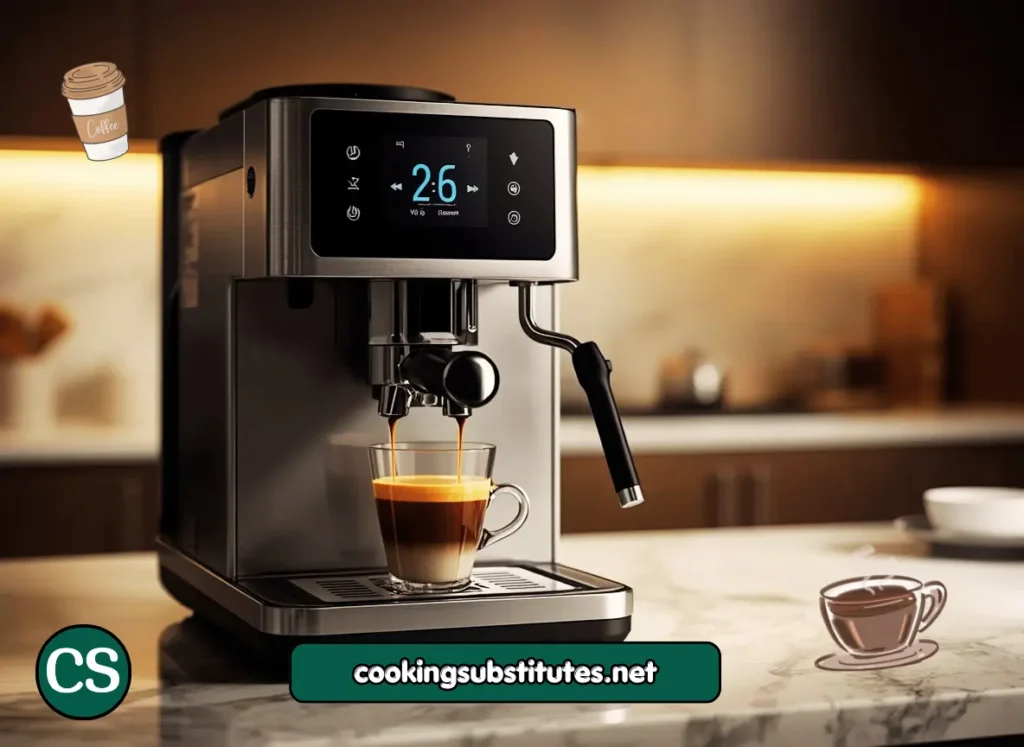
My pick for: Experienced home baristas who want café-level automation.
This is the machine I dream about. The Barista Touch Impress has a full color touchscreen, an Impress Puck System that prepares your coffee puck to exactly the right pressure, and automated milk texturing. It’s the closest thing to a café machine you can have in your home without spending five figures.
I tested it for a week and I have to say — the espresso was consistently excellent from day one. There was very little guessing. The machine guides you, the grinding is built in and precise, and the steaming is automatic. If you have the budget and you want the best, this is the one.
At around $1,400, it’s an investment. But it’s also the machine you’ll never need to replace.
Spec Highlights:
- Boiler Type: ThermoJet
- Pressure: 9 bars
- Built-in Grinder: Yes — Impress Puck System with auto-dosing
- PID: Yes (digital, touchscreen controlled)
- Steam Wand: Automatic + manual option
- Water Tank: 67 oz
- Dimensions: 16″ H x 12.8″ W x 15.4″ D
- Warranty: 2 years
Pros:
- Color touchscreen is incredibly intuitive
- Impress Puck System ensures perfect tamping every time
- Auto milk texturing — cafe quality without the skill
- Strongest grinder of all Breville all-in-ones
- Consistently excellent espresso from day one
- Great for both beginners and experienced users
Cons:
- Highest price of the group (~$1,399)
- Large footprint — needs significant counter space
- Some users want more manual milk steaming control
- 2-year warranty feels short for the price
Product Comparison Table
| Machine | Best For | Price (approx.) | Boiler | Built-in Grinder | PID | Steam Wand | Rating |
|---|---|---|---|---|---|---|---|
| Breville Barista Express | Best all-in-one | ~$749 | Thermocoil | ✅ Yes | ✅ Yes | Manual | ⭐⭐⭐⭐⭐ |
| Breville Bambino Plus | Beginners / small kitchens | ~$499 | ThermoJet | ❌ No | ✅ Yes | Auto + Manual | ⭐⭐⭐⭐⭐ |
| Gaggia Classic Pro | Learning espresso craft | ~$454 | Single boiler | ❌ No | ❌ No | Manual | ⭐⭐⭐⭐½ |
| De’Longhi La Specialista Arte | Italian style + smart features | ~$699 | Thermoblock | ✅ Yes | ✅ Yes | Manual | ⭐⭐⭐⭐ |
| Breville Barista Touch Impress | Best high-end pick | ~$1,399 | ThermoJet | ✅ Yes | ✅ Yes | Auto + Manual | ⭐⭐⭐⭐⭐ |
💡 Prices shown are approximate prices at time of writing and may vary. Always check current prices before purchasing.
How Do You Clean an Espresso Machine?
This is something I wish someone had told me before I bought my first machine. Cleaning is not optional. It’s part of the routine.
Here’s what I do:
Daily:
- Rinse the portafilter and basket immediately after each use
- Wipe the steam wand with a damp cloth right after steaming (if the milk dries, it’s a nightmare)
- Empty and rinse the drip tray
Weekly:
- Backflush with a blind filter and clean water (for machines with 3-way solenoid valve)
- Soak the portafilter basket in hot water to remove coffee oils
- Wipe down the group head with a damp cloth
Monthly:
- Deep clean with espresso machine cleaner tablets (I use Cafiza — [link to Amazon])
- Clean the steam wand by soaking the tip in warm water
The whole daily clean takes about 2 minutes. Once a week, maybe 10 minutes. Don’t skip it — coffee oils go rancid fast and they will ruin the taste of every shot you pull.
How Do You Descale an Espresso Machine?
Descaling removes mineral buildup (scale) from inside your machine. If you have hard water, this is especially important. Scale builds up in the boiler and heating elements and eventually causes the machine to overheat or stop working entirely.
I descale my machine every 2–3 months. Most modern machines will tell you when it’s time — a light or indicator comes on.
Here’s how I do it:
- Fill the water tank with a descaling solution (I use the De’Longhi EcoDecalk or Breville’s own descaler — both available on Amazon)
- Put a large container under the steam wand and portafilter
- Run the descaling cycle as described in your machine’s manual
- Run 2–3 full tanks of clean water through to rinse everything out
The whole process takes about 30–45 minutes but most of that is waiting. It’s very easy. And your machine will taste noticeably better after.
Is an Espresso Machine Worth It?
This is the question I asked myself before I bought my first one. So let me give you my honest answer.
Yes. For me, it has been absolutely worth it.
I used to spend about $180 a month on espresso drinks from coffee shops. Now I spend maybe $20–25 on specialty coffee beans and make everything at home. The machine paid for itself in about 6 months.
But money isn’t the only thing. I genuinely enjoy the morning ritual now. The 5 minutes I spend making my espresso before I start cooking is a calm, focused little moment in my day. I’ve gotten better at it over time, and that feels good. It’s become a skill, not just a task.
If you drink espresso or milk-based coffee drinks regularly, a home espresso machine is almost certainly worth it. If you only have one drip coffee a day and aren’t that excited about espresso, maybe start with something simpler.
But if you’re here reading this article, I think you already know the answer.
What Is the Best Espresso Machine for Home? — My Final Recommendation
Here’s how I break it down by type of person:
- You want everything in one machine, no separate grinder: → Breville Barista Express
- You’re a beginner and want something simple and quick: → Breville Bambino Plus
- You want to actually learn espresso from scratch: → Gaggia Classic Pro
- You want great Italian design plus a built-in grinder: → De’Longhi La Specialista Arte
- You want the best of the best and budget isn’t the main issue: → Breville Barista Touch Impress
If I could only pick one recommendation for most people, it would be the Breville Bambino Plus for beginners and the Breville Barista Express for anyone who’s a bit more serious and wants everything in one machine. Both are excellent best espresso coffee machines for home use, both are reliable, and both make genuinely delicious espresso.
When you’re ready to move beyond the basics, check out my guide on the Best Non Toxic Air Fryer — because if you’re upgrading your kitchen, why stop at the espresso machine?
People Also Ask
What is the best espresso machine for home?
For most people, the Breville Barista Express is the best espresso machine for home because it includes a built-in burr grinder, PID temperature control, and a pressure gauge — all in one machine, at a reasonable price point. If you’re a beginner, the Breville Bambino Plus is an even simpler starting point. If you want the absolute best performance, the Breville Barista Touch Impress is hard to beat.
How do espresso machines work?
Espresso machines force hot water (around 200°F) through finely ground, tightly packed coffee at approximately 9 bars of pressure. That pressure is what extracts the concentrated flavor, dense body, and crema that drip coffee can never produce. The pump creates the pressure, the boiler heats the water, and the portafilter holds the coffee puck through which everything passes.
Do you need an espresso machine with a PID?
Not strictly necessary for beginners, but highly recommended if you’re spending $400 or more. A PID keeps water at a precise, consistent temperature — and since temperature directly controls how bitter or sour your espresso tastes, more precise control means better-tasting coffee. I wouldn’t buy a machine above $400 without one.
Should you buy an espresso machine with a built-in grinder?
It depends on your budget and goals. A machine like the Breville Barista Express has a very solid built-in grinder that works well for most home users. However, a dedicated standalone burr grinder will always outperform a built-in one in terms of grind consistency. If your budget allows, buy a separate grinder. If you want simplicity, a quality all-in-one is a perfectly good choice.
How do you descale an espresso machine?
Fill the water tank with a descaling solution, run the descaling cycle per your machine’s manual, then flush with 2–3 tanks of clean water. Do this every 2–3 months (more often if you have hard water). It removes mineral buildup that damages the boiler and affects taste.
The best espresso machine for home is the one that fits your mornings, your skill level, and your budget — and one that you’ll actually use every single day. Whether you’re a total beginner or someone who wants to pull café-quality shots from your own kitchen, there is a perfect machine on this list for you. I’ve used all of them, I’ve pulled bad shots and great shots on all of them, and I can tell you from experience — the right machine genuinely changes your mornings. Start where you are. Upgrade when you’re ready. And enjoy every single shot along the way.
Happy Brewing — Chef Amina ☕
💡 As an Amazon Associate,
CookingSubstitutes.net earns from qualifying purchases.