Cooking Substitutes is a blog dedicated to exploring suitable alternatives in recipes, providing helpful how-to guides, and sharing mouthwatering recipes.
We're here to make your culinary adventures even more delightful!
6 Best Queso Fresco Substitutes You Already Have at Home
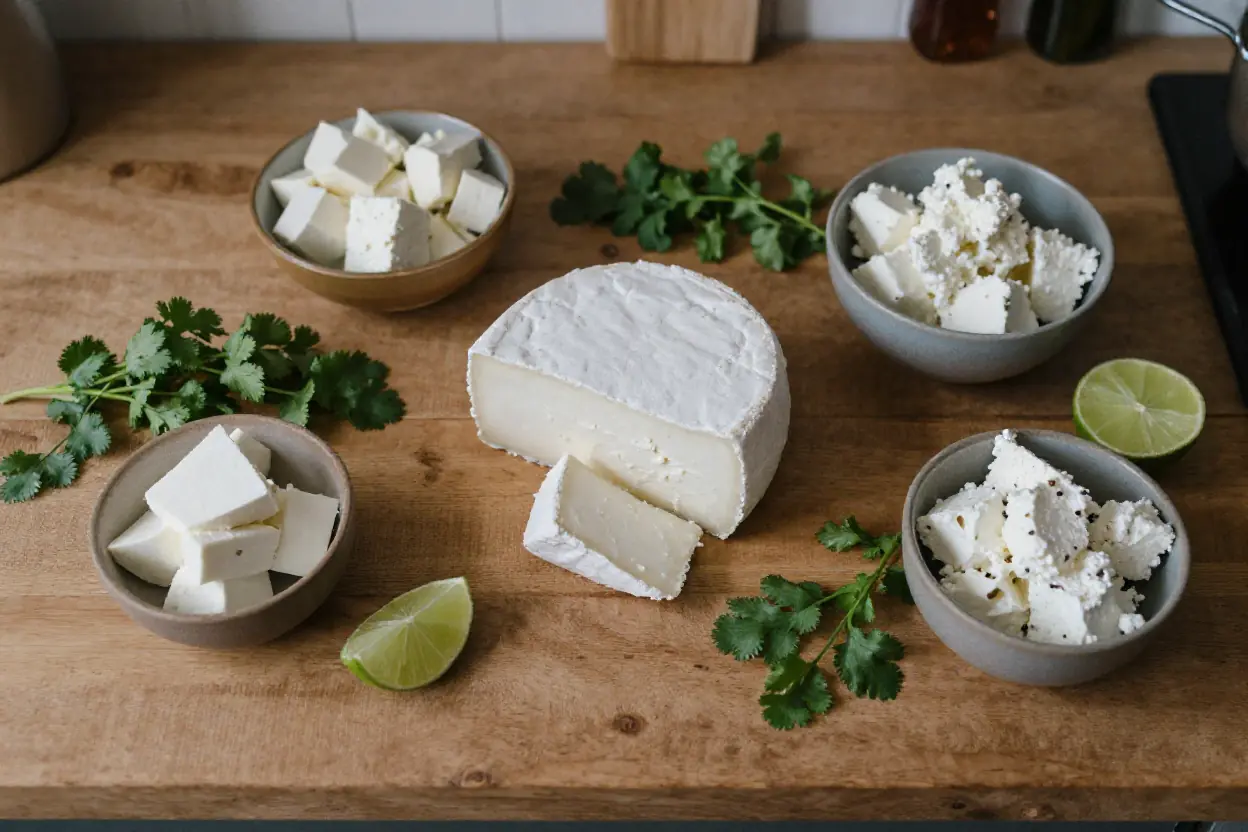
If you’ve ever reached for queso fresco in the middle of making tacos or enchiladas only to find an empty spot in the fridge — I feel you. I’ve been there more times than I can count. As someone who’s cooked Mexican-inspired meals in tiny hotel kitchens, camping setups, and pantry-crisis situations around the world, I’ve had to figure out the best queso fresco substitute on the fly. And I’m happy to tell you: some really solid options won’t ruin your dish.
Let me walk you through everything I’ve learned — from what queso fresco actually is, to which cheese swaps work best, and a few hacks I personally use when I’m in a pinch.
What Is Queso Fresco and Why Does It Matter?
Before we get into substitutes, let me quickly explain what we’re working with. Queso fresco literally means “fresh cheese” in Spanish. It’s a soft, mild, slightly tangy cheese that crumbles beautifully over tacos, enchiladas, salads, and refried beans. It’s made from cow’s milk or a mix of cow and goat milk, and it has a short aging period, which gives it that fresh, moist, crumbly texture we all love.
The big thing to know about queso fresco cheese is that it doesn’t really melt. It softens when heated, but it holds its shape. That’s actually what makes it so great as a topping. It adds a creamy, salty finish without turning into a gooey puddle.
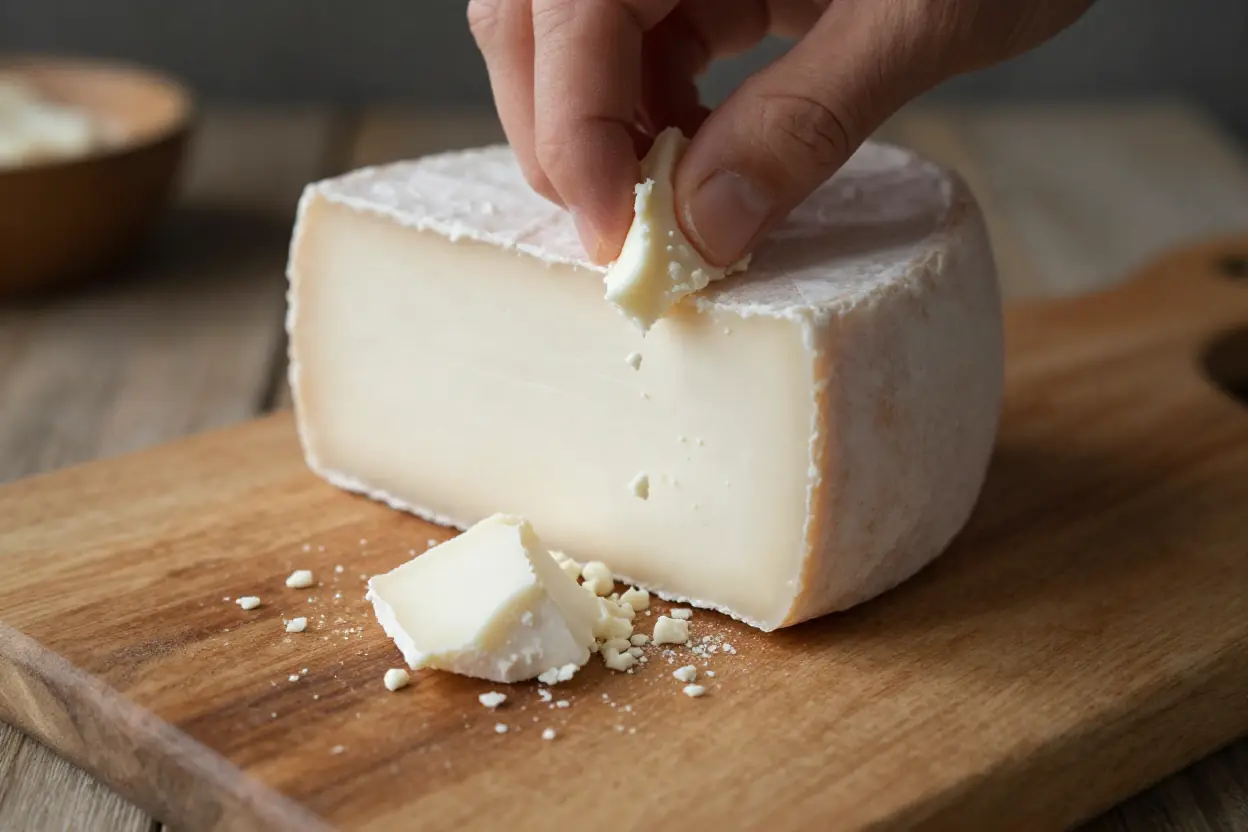
Queso Fresco: How to Use
I use queso fresco crumbled on top of tacos, sprinkled over black bean soup, stuffed inside poblano peppers, and scattered over corn on the cob (elote-style). It also works as a filling for quesadillas when you want something lighter than cheddar. Honestly, once I started keeping a block in my fridge, I found myself reaching for it constantly.
The 6 Best Queso Fresco Substitutes I’ve Actually Tested
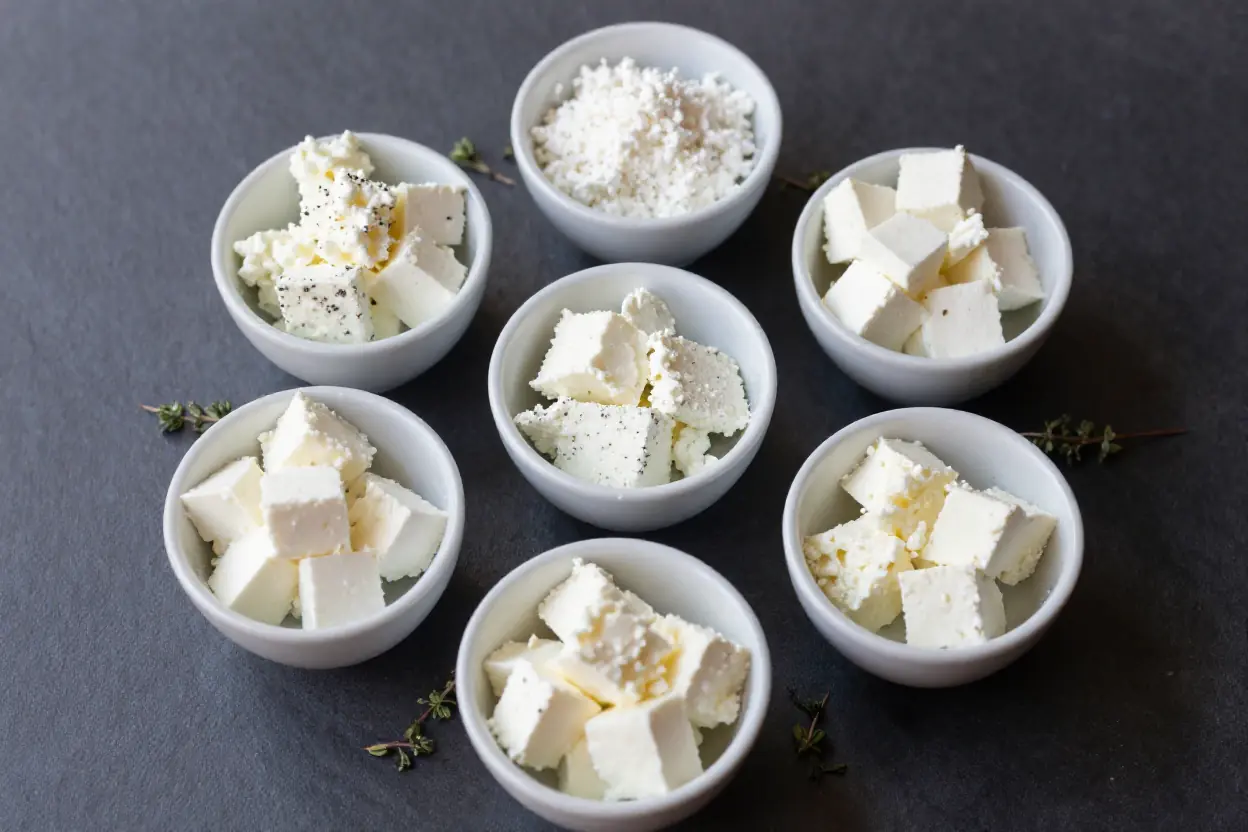
1. Feta Cheese — My Go-To Swap
Feta is honestly my first pick every single time. The texture is crumbly, the color is white, and it gives you that same salty, tangy hit that queso fresco does. Have I crumbled it over tacos and tostadas, and honestly? Most people at the table didn’t even notice the difference.
The one thing I always do: rinse feta under cold water first. Feta is brined and aged, so it’s saltier than queso fresco. A quick rinse tones that down. I also reach for mild feta (Danish style works great) rather than Greek feta, which can be pretty sharp.
Substitution ratio: Use half the amount if using regular feta. If using mild feta, go 1:1.
Best for: Tacos, salads, enchiladas, elote
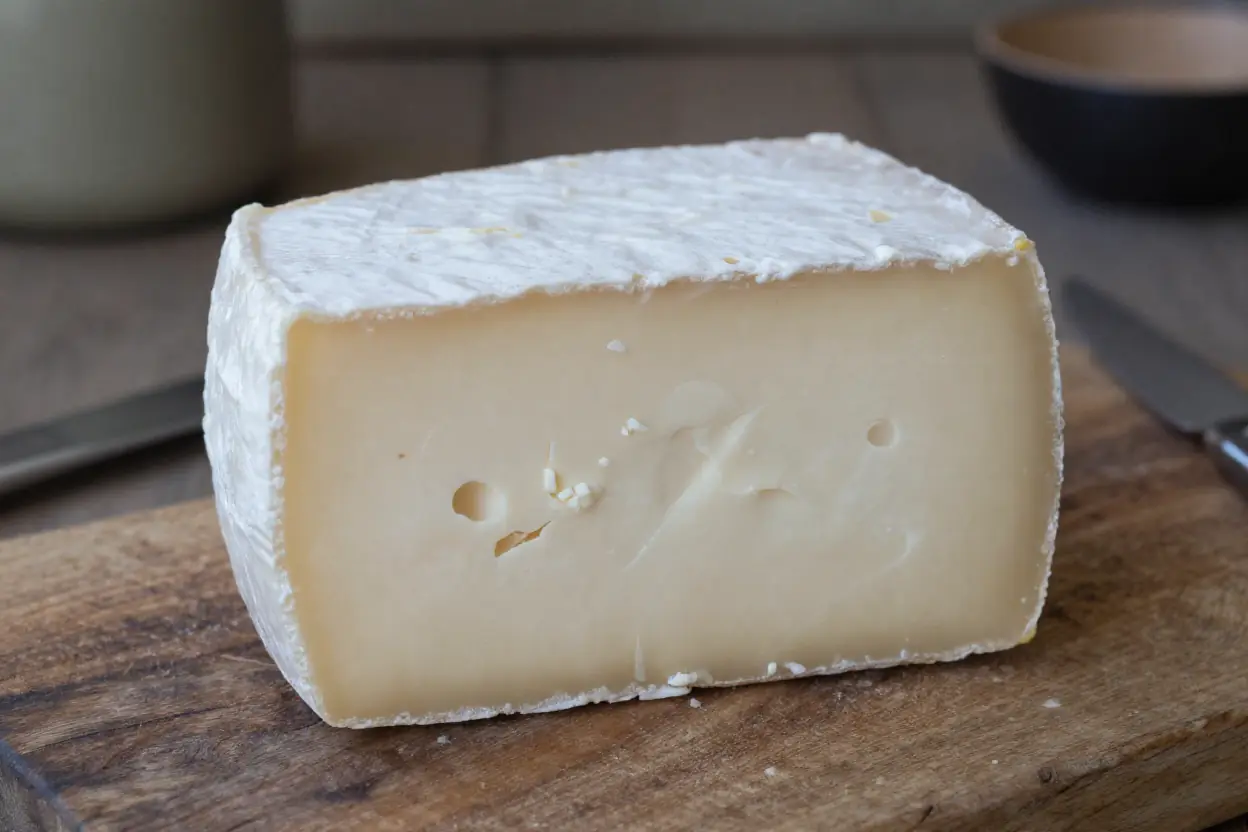
2. Cotija Cheese — The Closest Mexican Cousin
If you can find cotija at your store, grab it. This is another Mexican cheese that’s firm, salty, and crumbles perfectly over dishes. It’s aged longer than queso fresco, so the flavor is bolder and saltier — but in the context of a spicy taco or a smoky burrito bowl, that extra punch works really well.
I’ve used cotija as a substitution for queso fresco on grilled corn, and it was absolutely perfect. If you ever need to go the other way, check out my guide on the best cotija cheese substitutes — there are some great swaps there too.
Substitution ratio: 1:1, but taste as you go
Best for: Tacos, elote, soups, roasted vegetables
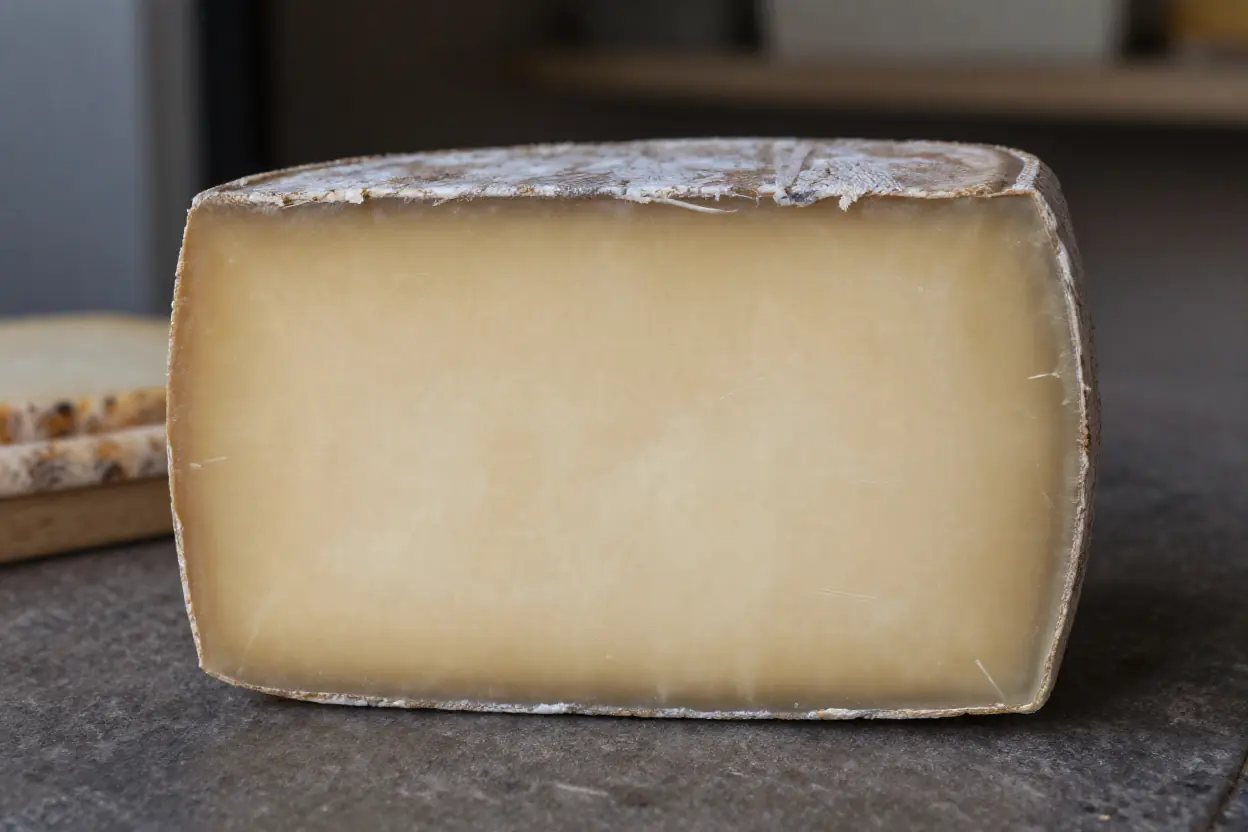
3. Ricotta Salata — The Underrated One
Ricotta salata is pressed, aged ricotta — and it’s a total gem as a queso fresco cheese substitute. It’s firm, crumbly, and has a mild, slightly tangy flavor that plays really nicely with Mexican-inspired dishes. I discovered this one when I was cooking in Italy and needed to replicate a dish from home. I crumbled it over a bean and roasted pepper salad, and it was honestly delicious.
Substitution ratio: 1:1
Best for: Salads, bean dishes, enchiladas, vegetable toppings
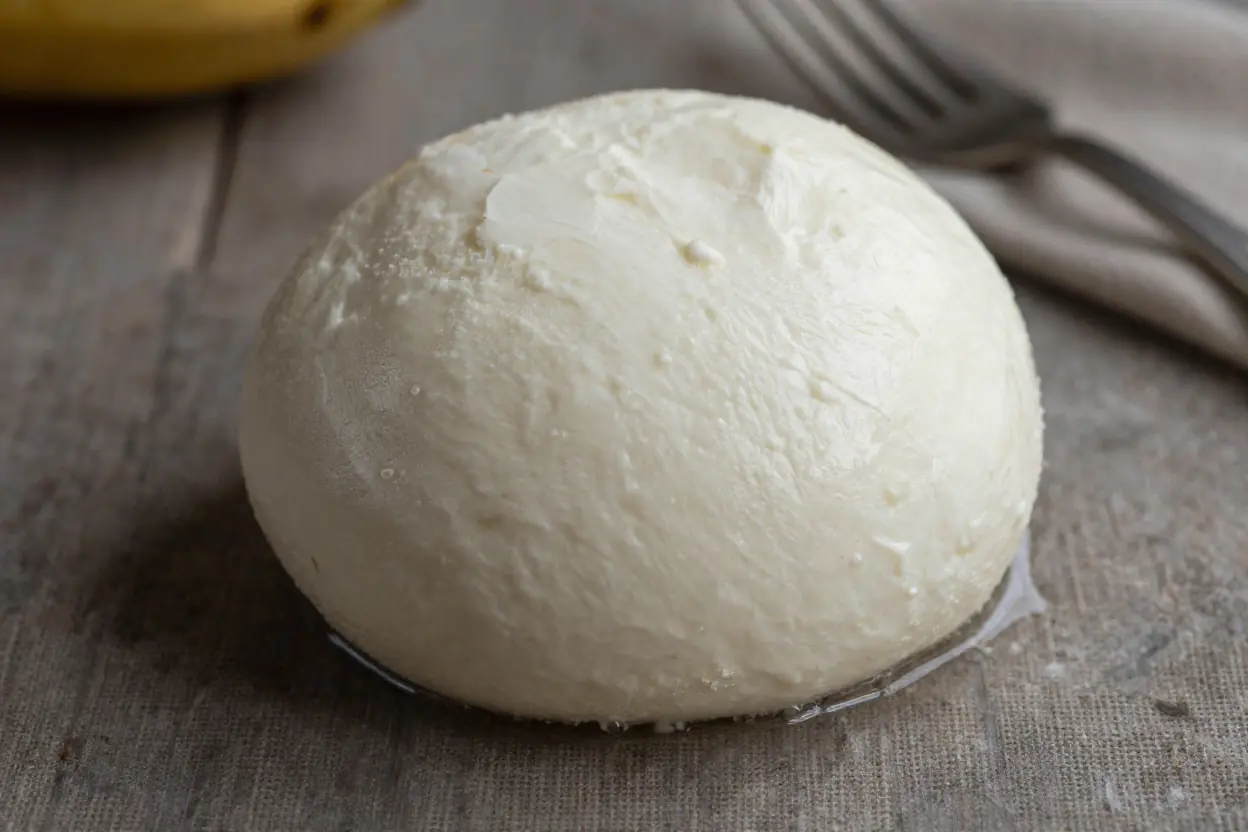
4. Paneer — The Surprise Star
I know — paneer in Mexican food sounds unusual. But hear me out. Paneer is a fresh Indian cheese that doesn’t melt, has a mild and milky flavor, and crumbles easily. Those are literally the same qualities we love in queso fresco. I started using paneer when I was traveling through South Asia and couldn’t find anything else — and I was genuinely surprised how well it worked in tacos and stuffed peppers.
It’s not tangy, so if you want a little more flavor, squeeze a tiny bit of lime juice over the top after crumbling. That brightens everything up.
Substitution ratio: 1:1
Best for: Tacos, stuffed peppers, curried dishes, fajitas
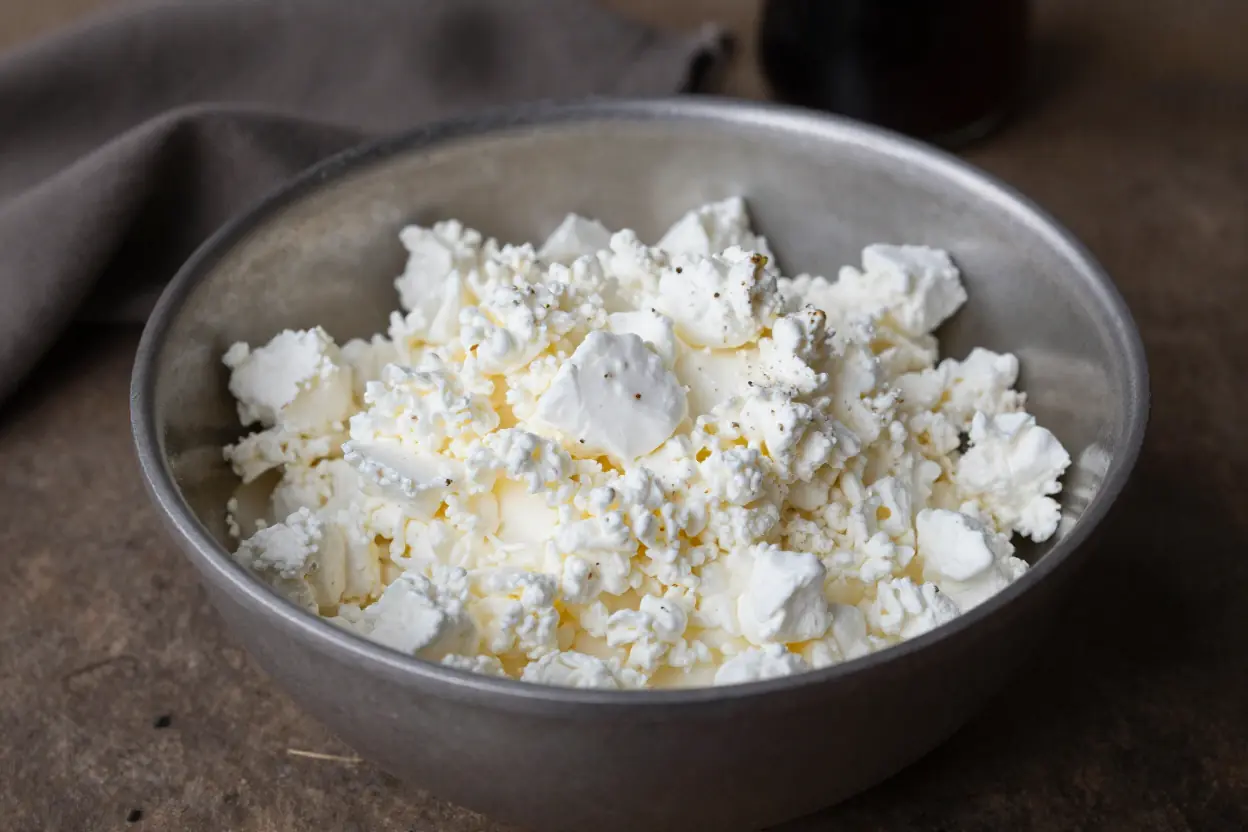
5. Farmer’s Cheese — The Pantry Backup
Farmer’s cheese is soft, mild, and slightly crumbly. It’s one of those underdog options that quietly gets the job done. I’ve used it when I had nothing else on hand and needed to top a big pot of tortilla soup. It’s not as firm as queso fresco, but crumbled cold straight from the fridge, it works really well.
Substitution ratio: 1:1
Best for: Soups, warm dishes, enchiladas
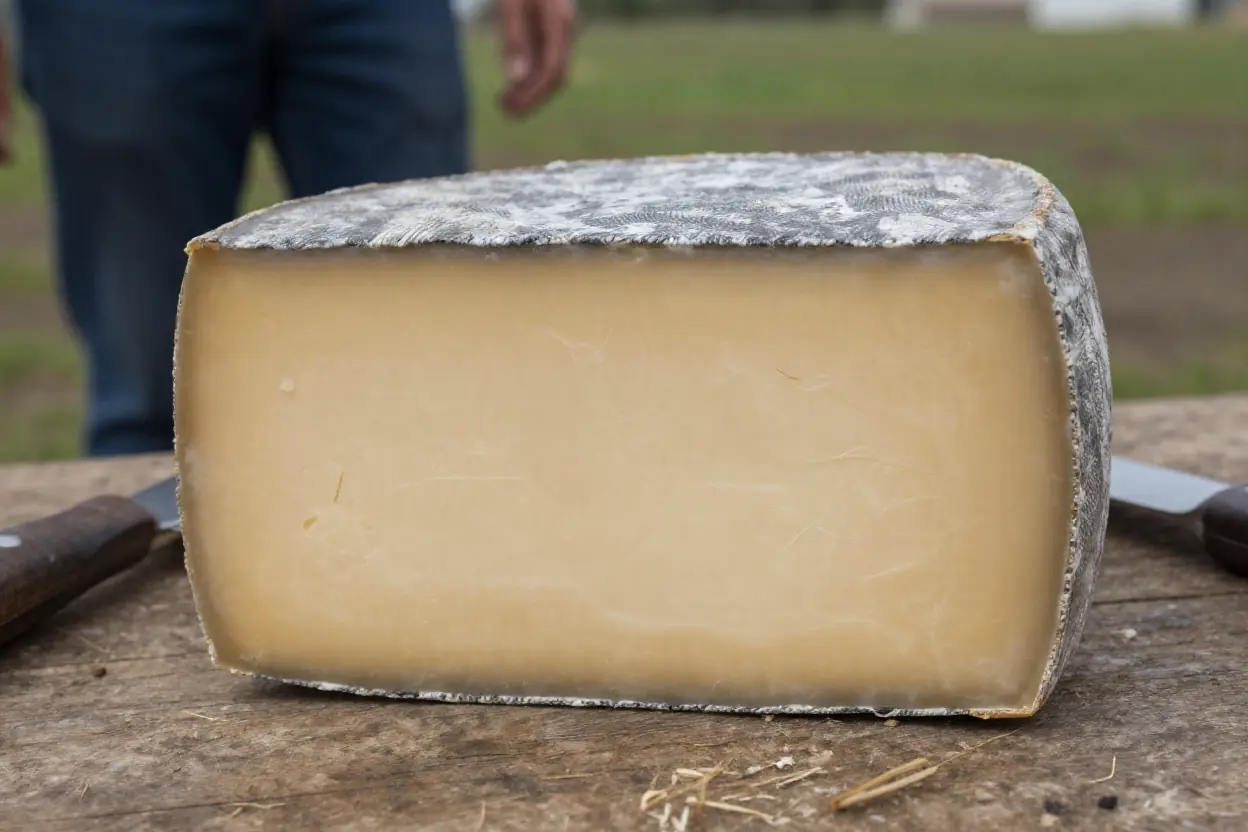
6. Queso Blanco — The Nearly Identical Twin
If you can find queso blanco at a Latin grocery store or the specialty cheese section, that’s the closest match you’ll ever get. It’s another fresh Mexican cheese that’s mild, crumbly, and behaves almost exactly like queso fresco. The flavor is just a touch denser and less tangy. I use it interchangeably with queso fresco in almost every recipe.
Substitution ratio: 1:1
Best for: Everything queso fresco is used for
Chef Amina’s Hacks 🍳
Budget Hack: Feta from the store’s generic brand is half the price of name-brand queso fresco and works just as well once rinsed. I buy a big block, crumble what I need, and store the rest in a little olive oil in the fridge.
Speed Hack: Already have ricotta in the fridge? Drain it overnight in a cheesecloth or fine mesh strainer in the fridge. By morning, what you’re left with is basically queso fresco. I’ve done this the night before Taco Tuesday more times than I can count.
No-Chop Hack: Use pre-crumbled feta straight from the container. No knife, no board, no mess. Just open and sprinkle. Done.
Where to Buy Queso Fresco Cheese
I get this question a lot, especially from people who don’t live near a Mexican grocery store. Here’s where I’ve found queso fresco most reliably:
- Latin or Mexican grocery stores — always the best selection and freshest stock
- Walmart and Target — the dairy or specialty cheese aisle usually carries it under brands like Cacique or V&V Supremo
- Whole Foods and Trader Joe’s — they carry it in the specialty cheese section
- Online grocery delivery — Instacart and Amazon Fresh often stock it through local stores
If your regular grocery store doesn’t carry it, ask the cheese department. I’ve had stores order it for me when I asked nicely. And if all else fails — that’s what this whole article is for!
How Do I Melt Queso Fresco Without It Crumbling?
Here’s the truth: queso fresco is not a melting cheese. It’s designed to hold its shape. When I first tried to melt it into a sauce, I ended up with a lumpy, crumbly mess instead of the creamy dip I was imagining. That was a learning moment.
What happens when you heat queso fresco is that it softens and gets a little creamy around the edges — but it won’t go fully smooth and gooey like cheddar or Monterey Jack. If you want it to “melt” into a dish, here’s what I do:
- Crumble it very finely before adding to a warm dish — smaller pieces distribute better
- Add a splash of cream or milk to the pan when mixing it in — this helps create a creamier texture
- Keep the heat low — high heat makes it rubbery and even more crumbly
- Don’t expect a smooth sauce — embrace the soft, slightly chunky texture it creates
If you need a truly melty cheese for a dip or nachos sauce, queso fresco is just not the right tool. See the next section for what to use instead.
What Substitutes Can I Use if Queso Fresco Crumbles When Heated?
If your recipe needs the cheese to actually melt — like for a queso dip, nachos sauce, quesadilla filling, or a creamy enchilada topping — skip queso fresco entirely and use one of these:
- Monterey Jack — mild, creamy, melts beautifully. My top pick for queso dips and nachos.
- Oaxaca cheese — a Mexican string cheese that melts like mozzarella. Perfect for quesadillas and chiles rellenos.
- Queso blanco (the melting variety) — some versions of queso blanco are specifically made to melt smoothly into dips.
- Mild cheddar — not traditional, but it melts easily and works in a pinch for quesadillas.
I keep both Monterey Jack and queso fresco in my fridge because they serve completely different purposes. Once I understood that, my Mexican-inspired cooking got a whole lot better.
What Are the Best Ways to Use Crumbled Queso Fresco in Recipes?
This is where queso fresco — and its substitutes — really shine. Here are my favorite ways to use it crumbled:
- Tacos — sprinkle over the top right before serving for a cool, creamy contrast to warm fillings
- Elote (Mexican street corn) — crumble generously over grilled corn with lime, mayo, and chili powder
- Black bean soup — a big handful crumbled on top adds a creamy, salty finish
- Enchiladas — scatter over the top after baking for a fresh, tangy contrast to the sauce
- Salads — works like feta in any salad — adds creaminess and a salty bite
- Tostadas — layer it under the toppings or crumble on top
- Scrambled eggs — I crumble them into eggs right at the end of cooking. Trust me on this one.
Frequently Asked Questions
What is the best queso fresco substitute?
The best overall substitute is mild feta cheese — it’s easy to find, crumbles the same way, and has a similar mild, tangy flavor. Just rinse it first to reduce the saltiness. If you can find cotija or queso blanco, those are even closer to the original.
Can I use feta cheese instead of queso fresco?
Yes, and it works really well. Feta is my personal go-to swap. The key is to rinse it under cold water to reduce the briny saltiness, and to use a mild variety (Danish feta is great) rather than a sharp Greek feta.
Is queso fresco the same as cotija?
No, they’re different cheeses — though both are Mexican. Queso fresco is fresh, mild, and slightly moist. Cotija is aged longer, much saltier, and firmer. Think of cotija as the more intense, grown-up version of queso fresco. Both crumble well, but cotija has a bolder flavor.
Curious what to use when you’re out of cotija, too? I’ve got you covered — here’s my full guide on Cotija cheese substitutes.
Does queso fresco melt?
Not in the traditional sense. It softens when heated but holds its shape rather than melting into a smooth sauce. If you need a melting cheese for a dip or quesadilla, use Monterey Jack or Oaxaca cheese instead.
Can I substitute queso fresco with ricotta?
Regular ricotta is too soft and wet, but you can drain it overnight in the fridge through a cheesecloth, and it becomes very similar to queso fresco. Ricotta salata (the pressed, aged version) is actually a better ready-to-use substitute — firmer, crumblier, and with a mild tang.
What is queso fresco used for?
Queso fresco is used as a crumbled topping for tacos, enchiladas, soups, salads, elote, and refried beans. It’s also used as a filling in dishes like chiles rellenos and quesadillas. Its mild, fresh flavor and crumbly texture make it a versatile finishing cheese.
Is queso blanco the same as queso fresco?
They’re very similar and often used interchangeably, but they’re not identical. Queso blanco is typically denser and slightly less tangy than queso fresco. Some versions of queso blanco are also made to melt, which queso fresco doesn’t do. But for crumbling purposes, they’re nearly the same.
What are the best ways to use crumbled queso fresco in recipes?
The best uses are as a topping for tacos, elote, enchiladas, black bean soup, tostadas, and salads. It also works crumbled into scrambled eggs or scattered over roasted vegetables right before serving. The key is to add it at the end — heat dulls its fresh flavor.
Final Thoughts — Your Kitchen, Your Cheese
Look, finding the perfect queso fresco substitute is less about finding a replica and more about understanding what job the cheese is doing in your dish. Is it there for creamy crumble and mild saltiness? Feta or ricotta salata will nail it. Is it there as a melty filling? Then queso fresco wasn’t the right cheese to begin with — reach for Monterey Jack.
I’ve cooked with all of these options in kitchens that ranged from fully stocked to basically nothing. And every single time, the dish came out great when I understood what the cheese was supposed to do.
You don’t need queso fresco to make amazing Mexican-inspired food. You need something mild, slightly tangy, and crumbly. You probably already have that in your fridge right now.
📌 Save this post so you have it next time a recipe calls for queso fresco you don’t have. Go check your fridge — I’d bet money there’s feta, ricotta, or paneer sitting in there right now.
Try ONE recipe this week using your substitute. Taste as you go and adjust salt levels — every cheese is different. Feel good that you adapted instead of giving up or running to the store.
Professional chefs swap ingredients based on what’s available all the time. You can too.
The cheese doesn’t make the dish — you do.
Happy Cooking (With Whatever Cheese You Have)! — Chef Amina 🍳
P.S. — What’s your go-to queso fresco substitute? I once used crumbled paneer on tacos at a camping trip because it was all I had packed. My whole group was obsessed. Tell me your creative swaps in the comments!