
Cooking Substitutes is a blog dedicated to exploring suitable alternatives in recipes, providing helpful how-to guides, and sharing mouthwatering recipes.
We're here to make your culinary adventures even more delightful!
Egg Substitute for Cookies: 7 Best Options Tested
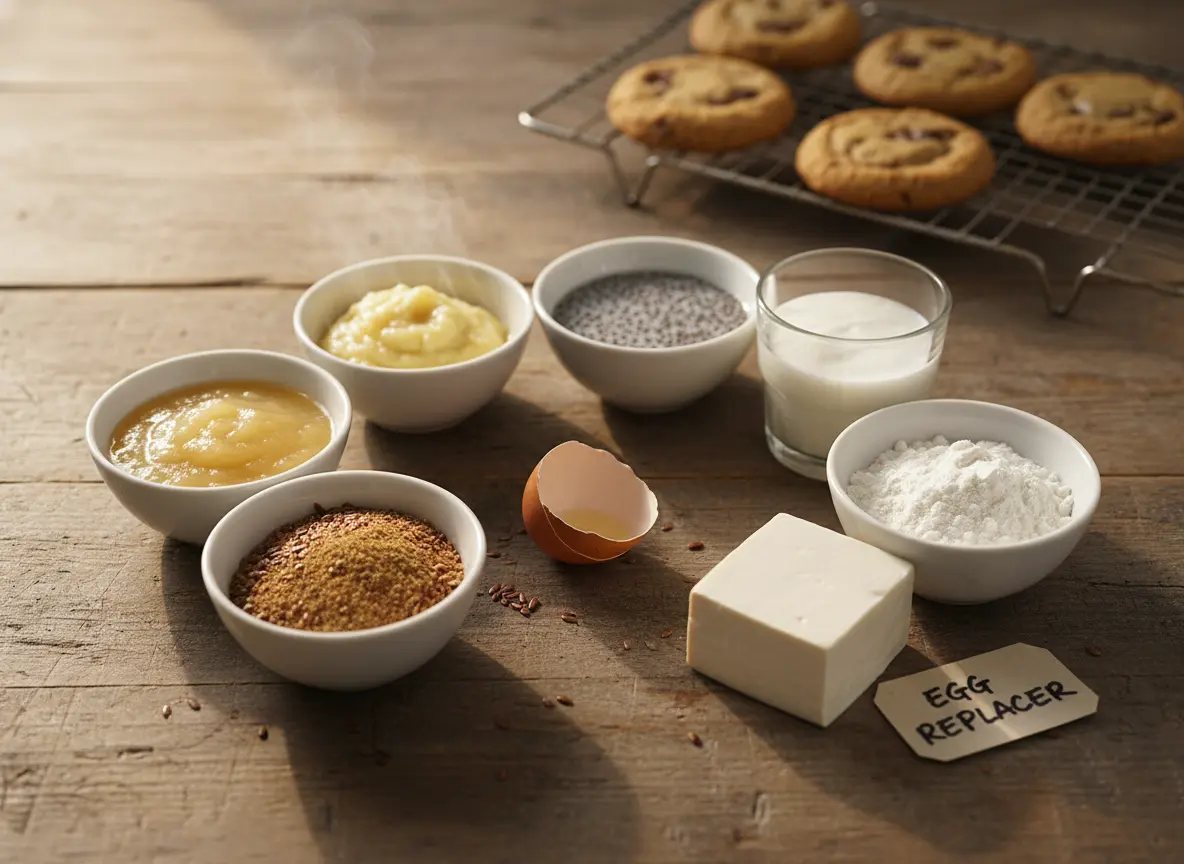
If you’ve ever opened your fridge mid-baking session only to find zero eggs staring back at you, you know that mild panic feeling. I’ve been there more times than I can count. The good news? Finding the right egg substitute for cookies is way easier than you think — and honestly, some of these swaps gave me results I didn’t expect at all.
Over the years, I’ve baked in tiny hotel kitchens, cramped apartment spaces, and full home kitchens. I’ve run out of eggs in all of them. So I got serious about testing what actually works when cookies are on the line. I tested 7 popular egg substitutes across different cookie types — chocolate chip, sugar cookies, and oatmeal cookies — and I’m sharing everything I learned right here.
Let’s get into it.
Why Do Cookies Need Eggs in the First Place?
Before we talk swaps, it helps to understand what eggs are actually doing in your cookie dough. Eggs play two big jobs:
Binding — They hold everything together so your cookie doesn’t crumble apart the second it hits the cooling rack.
Moisture — Eggs add just enough liquid to keep the dough soft and give the finished cookie that tender bite.
Some cookies also get a little lift from eggs, but unlike cakes, most cookies don’t rely heavily on eggs for rise. That’s actually great news — it means egg substitutes tend to work really well in cookies compared to other baked goods.
Now let’s talk about what to use instead.
7 Best Egg Substitutes for Cookies (Tested by Me)
1. Flax Egg — My All-Time Favorite

Ratio: 1 tablespoon ground flaxseed + 3 tablespoons water = 1 egg Best for: Chocolate chip cookies, oatmeal cookies, anything chewy
I’ll be honest — the first time someone told me to make a “flax egg,” I thought it sounded like something only hardcore vegans do. But I tried it on a whim when I was making a big batch of chocolate chip cookies and had no eggs left, and I was completely converted.
You mix the ground flax with water, let it sit for about 5 minutes, and it turns into this thick, gel-like mixture that binds your cookie dough beautifully. My cookies came out chewy, held together perfectly, and had a very subtle nutty flavor that honestly made them taste even better.
The only thing I noticed is that the cookies were slightly darker in color. Not a big deal at all.
Tips from me:
Always use ground flaxseed, not whole. Whole seeds won’t gel properly. I grind mine fresh using a small electric grinder, which makes a huge difference in texture and freshness.
Chef Amina’s Speed Hack: Pre-mix a batch of flax eggs and store them in a small jar in the fridge. They keep for up to 3 days. So next time you’re mid-bake and realize you’re out of eggs, your flax egg is already ready to go. No wait time at all.
2. Unsweetened Applesauce — The Pantry Hero

Ratio: ¼ cup (about 60g) applesauce = 1 egg Best for: Soft cookies, oatmeal cookies, spiced cookies
Applesauce is hands-down the most beginner-friendly egg substitute for cookies. Most people already have it in their pantry, you don’t have to mix or wait for anything, and it works really well for soft, chewy cookies.
I tested it in oatmeal raisin cookies and the result was soft, moist, and delicious. The apple flavor is very mild — you honestly can’t taste it unless the cookie itself is very plain and lightly flavored.
One thing I noticed: applesauce adds extra moisture, so your dough will be a little softer. If the dough feels too wet, just add an extra tablespoon of flour to bring it back.
Tips from me:
Always go for unsweetened applesauce. The sweetened kind will throw off the sugar balance of your recipe and your cookies can turn out too sweet or spread too thin.
Chef Amina’s Budget Hack: Applesauce is one of the cheapest egg swaps out there. A jar costs about $2 and replaces around 8 eggs. If you bake often and want to save money — especially with egg prices being what they are right now — keep a jar in your pantry at all times.
3. Chia Egg — The Underrated One

Ratio: 1 tablespoon chia seeds + 3 tablespoons water = 1 egg Best for: Oatmeal cookies, chocolate cookies, bars
Chia eggs work almost exactly like flax eggs. You mix the seeds with water, wait 5–10 minutes, and you get a gel that binds your dough well.
I tested chia eggs in a batch of dark chocolate cookies and the binding was great. The texture was just slightly denser than usual, but in a pleasant, fudgy kind of way. One thing to keep in mind: chia seeds leave tiny dark specks in lighter-colored doughs like sugar cookies. It doesn’t affect the taste, but it does change the look a little.
If you’re making a dark, chocolatey, or spiced cookie, chia eggs are perfect. For pale, delicate cookies like shortbread or vanilla sugar cookies, I’d pick a different option.
Tips from me:
Black chia seeds will leave visible specks. Use white chia seeds if you want a cleaner look in your cookies.
4. Mashed Banana — The Flavor-Forward Swap
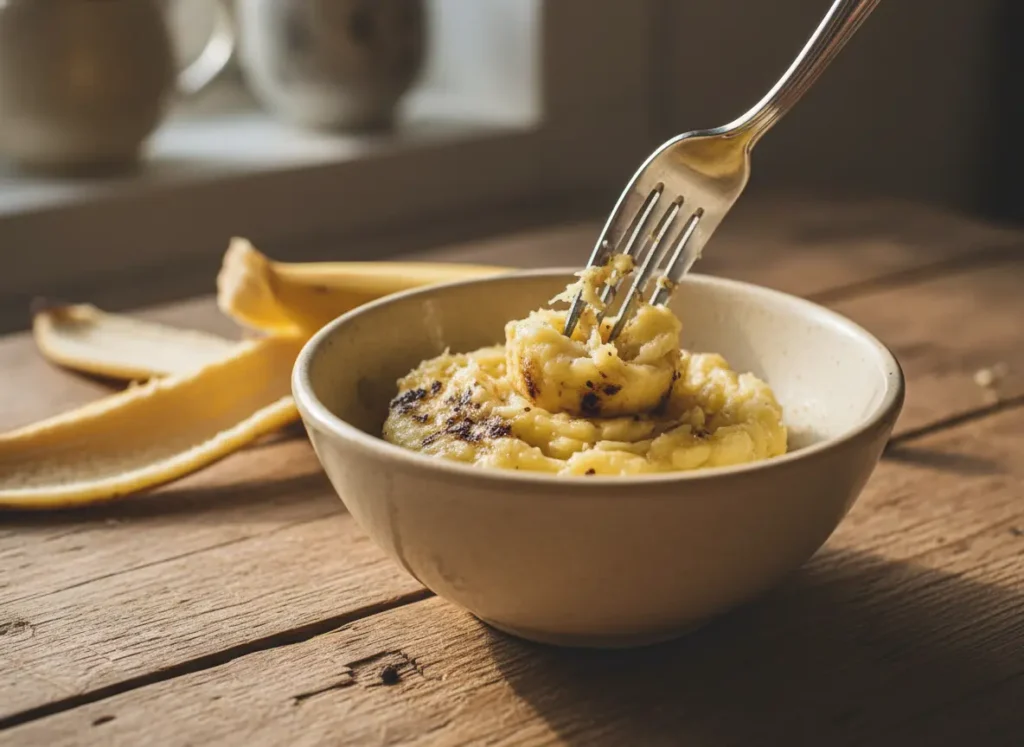
Ratio: ¼ cup mashed banana (about half a medium banana) = 1 egg Best for: Oatmeal cookies, chocolate chip cookies, anything that pairs well with banana flavor
Okay, I have to be upfront about this one — banana is a great binder, but it does add a noticeable banana flavor to your cookies. If that sounds good to you, amazing. If not, pick something else.
I made oatmeal chocolate chip cookies with mashed banana and they were genuinely delicious. Like, eat-the-whole-tray dangerous. The cookies came out soft, chewy, and naturally sweetened from the banana. I actually reduced the sugar slightly in that batch and they were perfect.
Banana also makes your cookies spread a bit more, so keep an eye on your baking time and don’t overbake.
Tips from me:
The riper the banana, the better the binding and the sweeter the flavor. Overripe bananas with brown spots work best here — don’t throw them away, freeze them for baking!
5. Silken Tofu — The Surprise Performer
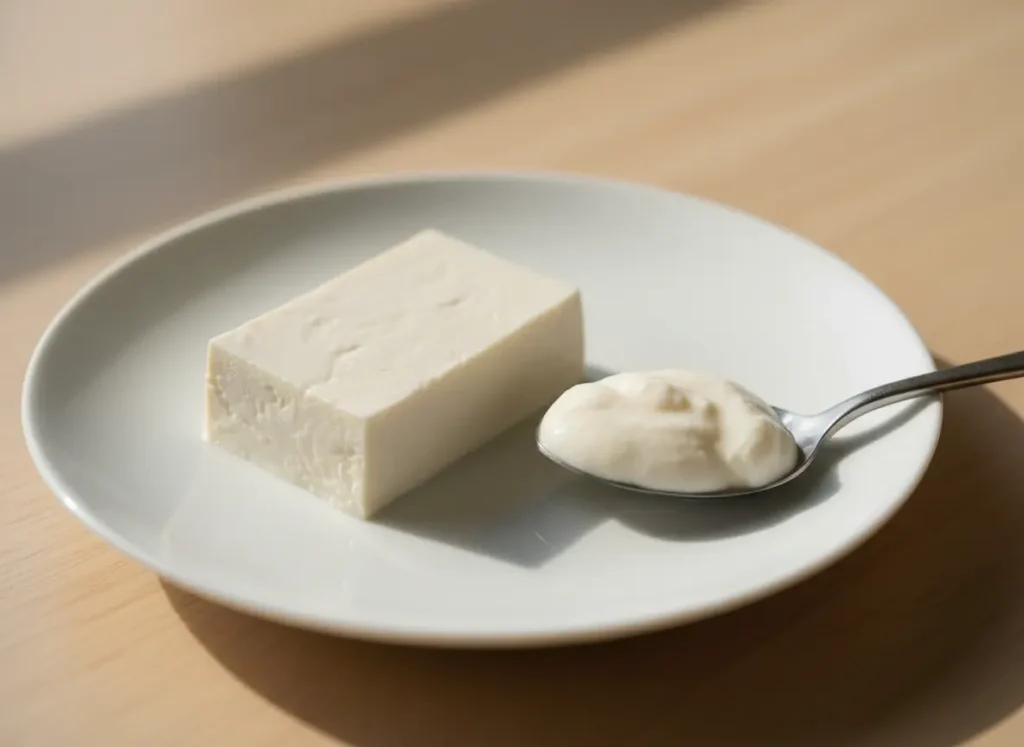
Ratio: ¼ cup blended silken tofu = 1 egg Best for: Dense, fudgy cookies, brownies-style cookies, chocolate cookies
I’ll be honest, I put this one off for a while because the idea of tofu in cookies seemed strange. But I blended it until completely smooth and added it to a batch of double chocolate cookies — and I was genuinely impressed.
Silken tofu is almost flavorless, so it doesn’t change the taste of your cookies at all. It adds great moisture and makes cookies wonderfully dense and fudgy. The texture is different from an egg-based cookie — more dense and soft rather than light — but for chocolate cookies or brownie-style cookies, that’s actually a win.
Do not use firm or extra-firm tofu here. It needs to be silken and blended very smooth. Any lumps and you’ll feel them in the final cookie.
Tips from me:
Blend the tofu in a small blender or food processor until it looks like thick cream. No chunks, no graininess. Smooth tofu = smooth cookie texture.
6. Aquafaba — The Fancy One That Actually Works

Ratio: 3 tablespoons aquafaba = 1 whole egg Best for: Lighter cookies, thin and crispy cookies, meringue-style cookies
Aquafaba is just the liquid from a can of chickpeas. Yes, really. And yes, it sounds weird. But this stuff is genuinely magical for certain types of cookies.
I tested it in a batch of thin, crispy almond cookies and the result was surprisingly close to the original recipe. The cookies held their shape, had a light texture, and there was zero chickpea taste whatsoever.
Aquafaba is best in cookies that need a lighter, crispier texture. It won’t give you the same chewiness as a flax egg, so it depends on the cookie type.
Tips from me:
Shake the can well before opening and measure the liquid carefully. You want 3 tablespoons per egg. Don’t skip this measurement — too much aquafaba can make your dough too loose.
If you already cook with chickpeas regularly, check out how different substitutes work in other baking recipes — the logic carries over more than you’d think!
7. Commercial Egg Replacer Powder — The Reliable Backup
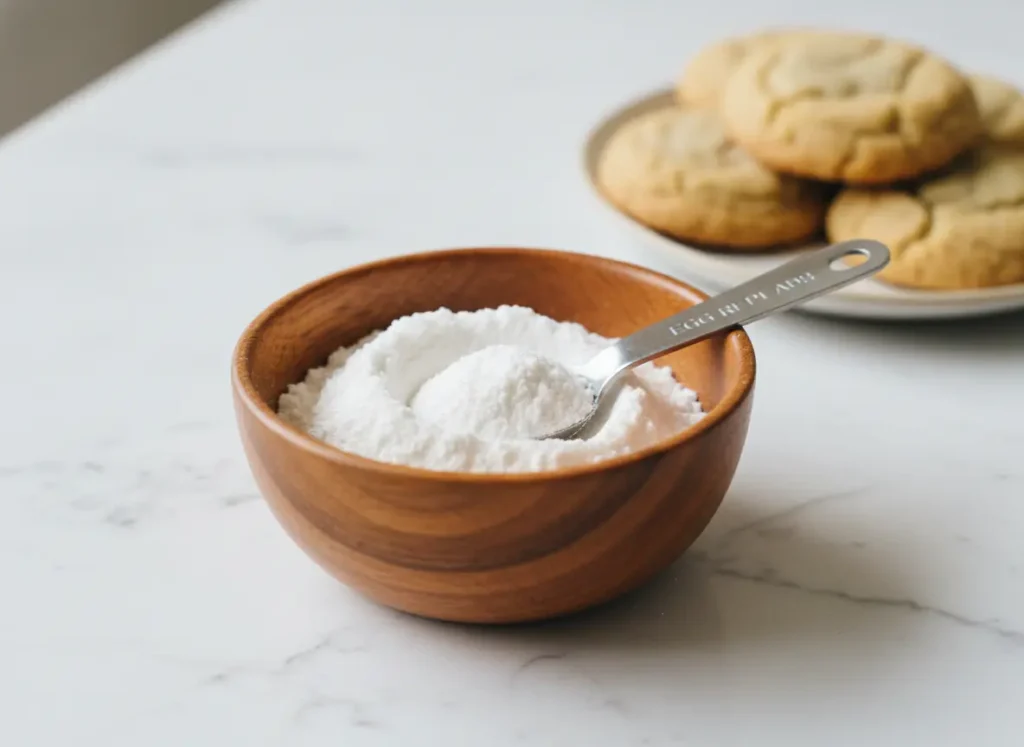
Ratio: Follow the package instructions (usually 1½ tsp powder + 2 tbsp water = 1 egg) Best for: Any cookie type, especially when you don’t want to experiment
When I’m in a rush and I don’t want to think too hard, I grab my commercial egg replacer. It’s consistent, easy, and works in basically every cookie recipe I’ve tried it in.
I’ve used Bob’s Red Mill Gluten Free Egg Replacer more times than I can count, and it has never let me down in cookies. You mix it with water, add it to your dough just like an egg, and bake as normal. The cookies come out very close to the original — good structure, nice texture, no weird flavors.
It’s also a great option if you’re baking for someone with multiple food allergies, since most commercial replacers are free from gluten, soy, and dairy.
Tips from me:
Mix the powder with warm water, not cold. Warm water helps it dissolve and activate properly. Cold water can leave lumps.
Quick Comparison Table
| Substitute | Best Cookie Type | Flavor Impact | Ease of Use |
|---|---|---|---|
| Flax Egg | Chewy, chocolate chip | Slight nutty | Easy |
| Applesauce | Soft, oatmeal | Mild apple | Very easy |
| Chia Egg | Chocolate, bars | Neutral | Easy |
| Mashed Banana | Oatmeal, chocolate chip | Strong banana | Very easy |
| Silken Tofu | Dense, fudgy, chocolate | Neutral | Moderate |
| Aquafaba | Thin, crispy, light | Neutral | Easy |
| Egg Replacer Powder | Any type | Neutral | Very easy |
My Amazon Picks for Egg-Free Cookie Baking
These are three products I personally use and recommend. They make egg-free baking a whole lot easier.
1. Bob’s Red Mill Gluten Free Egg Replacer (12oz) This is the one I always keep in my pantry as a backup. It’s made from four clean ingredients — potato starch, tapioca flour, baking soda, and psyllium husk. One bag equals about 34 eggs, which makes it seriously economical. It works in every cookie type I’ve tested it in, and there’s no guessing — the instructions on the bag are clear and simple.
2. Flax Seed Electric Mini Grinder (Compact Plug-In) This little grinder changed my flax egg game completely. I used to buy pre-ground flaxseed meal, but it goes stale fast and loses its binding power. Fresh-ground flax works so much better. This compact grinder sits on my counter, plugs in, and grinds flaxseed into fine powder in seconds. It also works for chia seeds and spices.
3. AcreMade Plant-Based Egg Substitute Powder This one is newer to my kitchen but I love it. It’s made from pea protein, is soy-free, gluten-free, non-GMO, and shelf stable. Each pack gives you 12 servings and it works great in cookie dough. If you’re baking for someone with multiple dietary restrictions, this one covers a lot of ground.
My Hacks for Egg-Free Cookie Baking
Speed Hack: Pre-make your flax eggs or chia eggs the night before and refrigerate them. They’re ready instantly when you need them — no 5-minute wait mid-bake.
Budget Hack: Applesauce and mashed banana are the cheapest egg substitutes you can use. Between those two, you can replace eggs in cookies for literal pennies per batch.
No-Chop Hack: Commercial egg replacer powder is the laziest, easiest swap — no grinding, no mashing, no waiting. Mix with warm water and you’re done in 30 seconds.
Frequently Asked Questions
What is the best egg substitute for cookies?
For most cookie recipes, a flax egg is the best all-around substitute. It binds the dough well, adds a slight nutty flavor that works great in chocolate chip and oatmeal cookies, and is very easy to make. If you want something completely neutral in taste, a commercial egg replacer powder is the most reliable choice.
Can I use applesauce instead of eggs in cookies?
Yes, absolutely. Use ¼ cup of unsweetened applesauce per egg. It works really well in soft cookies like oatmeal or spiced cookies. It does add a tiny bit of extra moisture, so if your dough feels too wet, add one extra tablespoon of flour. Always use unsweetened — sweetened applesauce will throw off your recipe.
How do I make a flax egg for cookies?
It’s super simple. Mix 1 tablespoon of ground flaxseed with 3 tablespoons of water. Stir it, then let it sit for 5 minutes. It will turn into a thick, gel-like paste. That’s your flax egg. Use it exactly where you’d use a regular egg in your cookie dough.
Does using an egg substitute change the taste of cookies?
It depends on which substitute you use. Flax eggs add a mild nuttiness. Banana adds a clear banana flavor. Aquafaba, silken tofu, and commercial egg replacers are all virtually flavor-neutral, so your cookies will taste just like the original recipe.
Can I substitute eggs in any cookie recipe?
Most cookie recipes handle egg substitutes really well — especially recipes that only call for one egg. Recipes that call for two or more eggs can be trickier, so stick to more neutral substitutes like commercial egg replacer or flax eggs for those. Delicate, very precise cookies like thin tuile wafers are harder to adapt, but classic drop cookies, oatmeal cookies, and chocolate chip cookies are very forgiving.
How much aquafaba replaces one egg in cookies?
Use 3 tablespoons of aquafaba to replace one whole egg. That’s the liquid straight from a can of chickpeas — no prep needed. It works best in lighter, crispier cookies. Shake the can well before opening and measure carefully for best results.
What egg substitute works best for chewy cookies?
Flax egg is the winner for chewy cookies. The gel it forms mimics the binding that eggs provide, and it keeps moisture in the cookie so you get that satisfying chewy bite. Chia eggs come in as a close second for chewiness.
Final Thoughts
Your Kitchen, Your Rules
Let’s be real — running out of eggs mid-bake used to stress me out. Now? I barely notice. Because after years of testing, I know that a great cookie doesn’t come from having perfect pantry conditions. It comes from knowing what you’re working with and adapting.
I’ve made egg substitute for cookies work on camping stoves, in tiny hotel kitchens, and in my own home kitchen at 11pm when the grocery store was closed. And every single time, the cookies still got eaten — fast.
The substitute doesn’t make or break your cookie. Your instinct to adapt does.
Here’s what to do right now:
📌 Pin or bookmark this post so it’s there the next time a recipe calls for eggs you don’t have Check your pantry today and figure out which substitute you already own Try ONE batch of cookies this week using a substitute — start with flax egg or applesauce, they’re the easiest Taste the result before you judge it — you might surprise yourself
Professional bakers adapt recipes based on what they have. Home cooks can too — and honestly, some of my favorite batches ever came from a “well, let’s see what happens” moment.
The egg doesn’t make the cookie. You do.
Happy Baking (With Whatever You’ve Got)! — Chef Amina 🍳
P.S. — What’s the strangest egg substitute you’ve ever used in cookies? I once used a mix of peanut butter and water in an emergency — the cookies were dense and different but honestly kind of amazing. Tell me your experiments in the comments!