CookingSubstitutes is a blog dedicated to exploring suitable alternatives in recipes, providing helpful how-to guides, and sharing mouthwatering recipes.
We're here to make your culinary adventures even more delightful!
Roasting Beef Tenderloin Recipe

I’ll never forget the first time I attempted roasting beef tenderloin for a dinner party. I spent nearly $80 on this beautiful cut of meat, only to serve my guests something that resembled a fancy leather boot. The outside was charred, the inside was gray, and my confidence was completely shattered.
That disaster happened seven years ago, and since then, I’ve roasted dozens of beef tenderloins in every kind of kitchen you can imagine—from my tiny studio apartment oven that ran 25 degrees hot, to a borrowed convection oven at a friend’s lake house, to even a sketchy hotel kitchenette oven in Portugal. Through all those attempts, I’ve figured out exactly what works and what doesn’t when it comes to roasting beef tenderloin.
Today, I’m sharing everything I learned the hard way so you don’t have to waste money on expensive mistakes like I did.
Why Beef Tenderloin Scared Me (And Why It Shouldn’t Scare You)
Beef tenderloin is expensive. Like, really expensive. When you’re dropping $60-$100 on a single piece of meat, the pressure to get it right feels overwhelming. I used to stand in front of my oven, checking the temperature every five minutes, convinced I was about to ruin everything.
But here’s what I discovered: beef tenderloin is actually one of the most forgiving cuts to roast once you understand a few basic principles. It’s naturally tender, it cooks relatively quickly, and unlike tougher cuts, you don’t need to worry about braising or slow cooking for hours.
The real secret? It’s all about temperature control and not overthinking it. I’ve tried dozens of beef tenderloin roast recipes over the years, and the simple approach always wins.
My Simple Method for Roasting Beef Tenderloin
After years of testing, I’ve settled on a method that works every single time. I’m talking about perfect medium-rare with a gorgeous crust and that melt-in-your-mouth texture that makes people think you went to culinary school.
Here’s my approach: I start with a high-heat sear, then drop the temperature for gentle roasting. This gives me the best of both worlds—a caramelized exterior and a perfectly pink interior.
Step 1: Getting Your Tenderloin Ready
First, I take the beef tenderloin out of the fridge about 45 minutes before I plan to cook it. This might seem like a small detail, but starting with room-temperature meat makes a huge difference in how evenly it cooks.
While the meat sits, I trim off any excess fat or silver skin. I used to skip this step because it seemed tedious, but that silver skin never breaks down during cooking—it just stays chewy and weird. A sharp knife and about five minutes of work solves that problem.
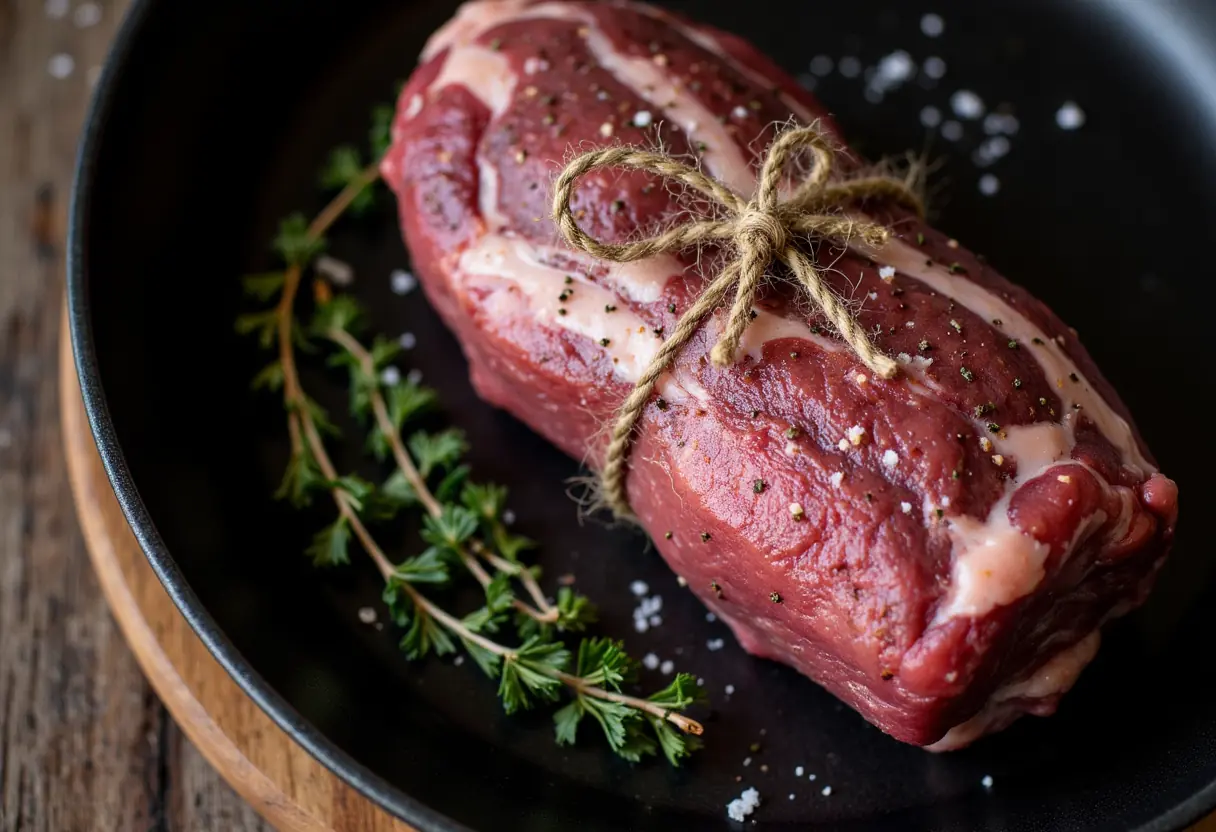
Then I tie the tenderloin with kitchen twine at 2-inch intervals. This keeps the thinner tail end from overcooking while the thicker center reaches the right temperature. I learned this trick after serving one too many tenderloins where half was perfect and half was overdone.
Step 2: The Seasoning (Keep It Simple)
I generously coat the entire tenderloin with olive oil, then hit it with kosher salt and freshly cracked black pepper. That’s it.
I used to create elaborate spice rubs with twelve different ingredients, thinking it would make the beef taste more impressive. What I learned is that quality beef tenderloin has an amazing flavor on its own—it doesn’t need to be buried under cumin, paprika, and garlic powder.
If I’m feeling fancy, I’ll add some fresh thyme or rosemary, but honestly, salt and pepper does the job beautifully.
Step 3: The Sear
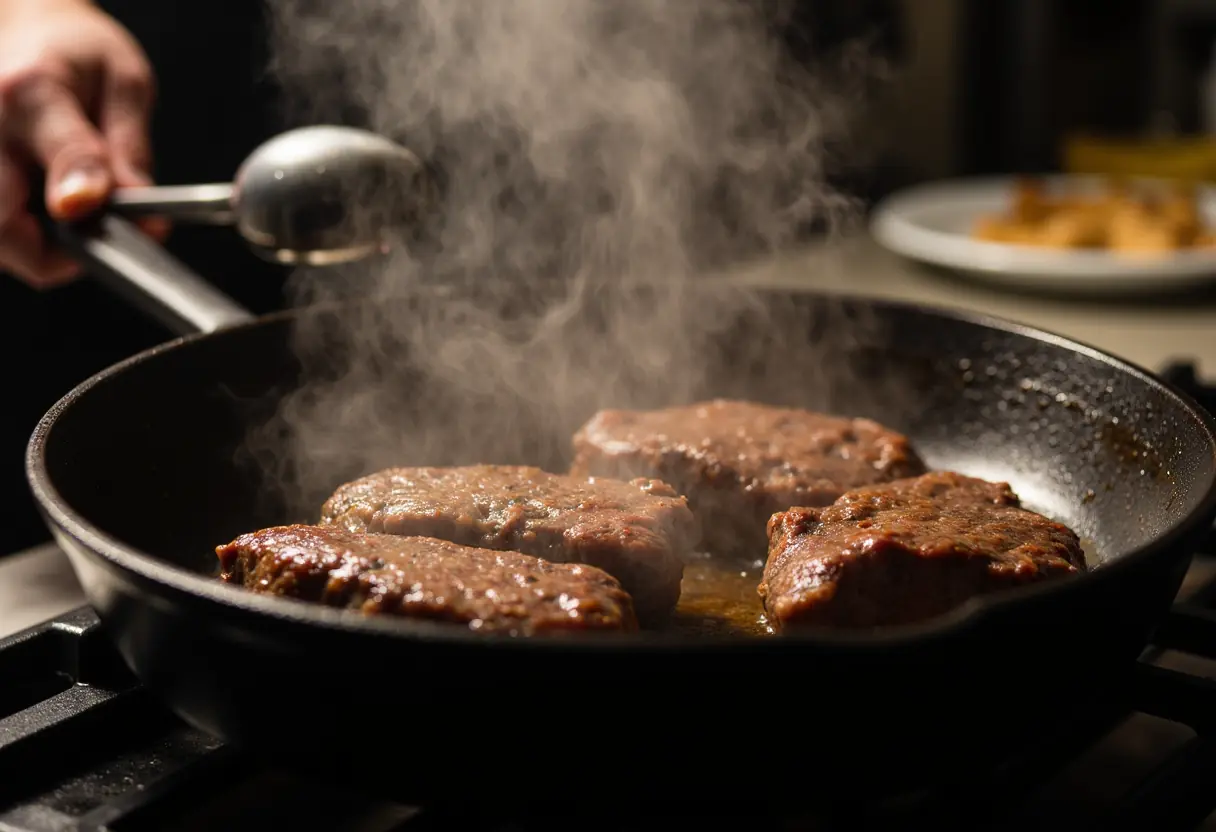
I heat a large oven-safe skillet (cast iron works great) over high heat until it’s smoking hot. Then I sear the tenderloin on all sides until it develops a deep brown crust—about 2-3 minutes per side.
This step creates those incredible caramelized flavors through the Maillard reaction. I used to skip the sear and go straight to roasting, and my beef always tasted flat and boring in comparison.
Step 4: The Roast
Once I’ve got that beautiful crust, I transfer the skillet directly into a 425°F oven. For a 4-5 pound beef tenderloin roast, I roast for about 20-25 minutes for medium-rare.
But here’s the most important part: I don’t rely on time alone. I use a meat thermometer and pull the tenderloin when it hits 120-125°F in the thickest part. The temperature will continue rising during the rest period, landing it right at that perfect 130-135°F medium-rare.
I learned this lesson after ruining a $90 tenderloin by trusting a recipe’s timing instead of using a thermometer. Every oven is different, every cut of meat is slightly different, and a thermometer eliminates all the guesswork. Out of all the beef tenderloin recipes oven methods I’ve tested, this temperature-based approach is the most reliable.
Step 5: The Rest (Don’t Skip This!)
This is where I used to mess up constantly. I’d pull the beef tenderloin from the oven and immediately start slicing because I was impatient and hungry.
Big mistake.
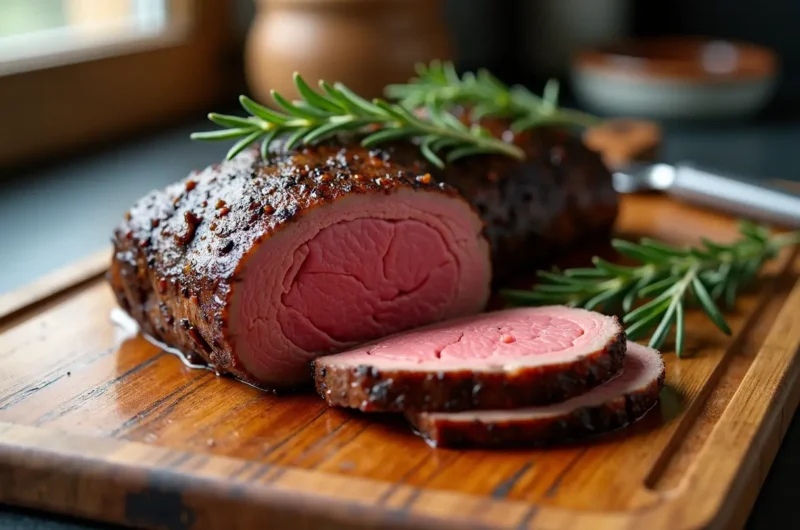
Now I tent the roasted beef loosely with foil and let it rest for at least 15 minutes. This allows the juices to redistribute throughout the meat instead of running all over your cutting board. The difference in juiciness is dramatic.
⏱️ Recipe Card
Roasting Beef Tenderloin Recipe
Course: Main CourseCuisine: AmericanDifficulty: IntermediateServings
8
servingsPrep time
15
minutesCooking time
35
minutesCalories
310
kcalThis classic roasted beef tenderloin delivers restaurant-quality results at home with a simple sear-then-roast method that creates a caramelized crust and perfectly pink, tender interior every time.
Ingredients
1 whole beef tenderloin (4-5 pounds), trimmed
3 tablespoons olive oil
2 tablespoons kosher salt
1 tablespoon freshly cracked black pepper
Kitchen twine
4-5 sprigs fresh thyme or rosemary (optional)
Directions
- Remove beef tenderloin from refrigerator and let sit at room temperature for 45 minutes.
- Preheat oven to 425°F.
- Trim any excess fat and silver skin from the tenderloin using a sharp knife.
- Tie the tenderloin with kitchen twine at 2-inch intervals to ensure even cooking.
- Rub the entire surface with olive oil, then season generously with salt and pepper.
- Heat an oven-safe skillet (cast iron works great) over high heat until smoking.
- Sear the tenderloin on all sides until deeply browned, about 2-3 minutes per side.
- Transfer the skillet directly to the preheated oven.
- Roast for 20-25 minutes, or until a meat thermometer inserted into the thickest part reads 120-125°F for medium-rare.
- Remove from oven, tent loosely with foil, and let rest for 15 minutes.
- Remove twine, slice against the grain into 1-inch thick slices, and serve immediately.
Notes
- The internal temperature will rise 5-10 degrees during resting, so pull it from the oven when it’s slightly under your target temperature. Always use a meat thermometer for best results—oven temperatures and meat sizes vary too much to rely on timing alone.
Chef Amina’s Speed Hack: The Reverse Sear Method
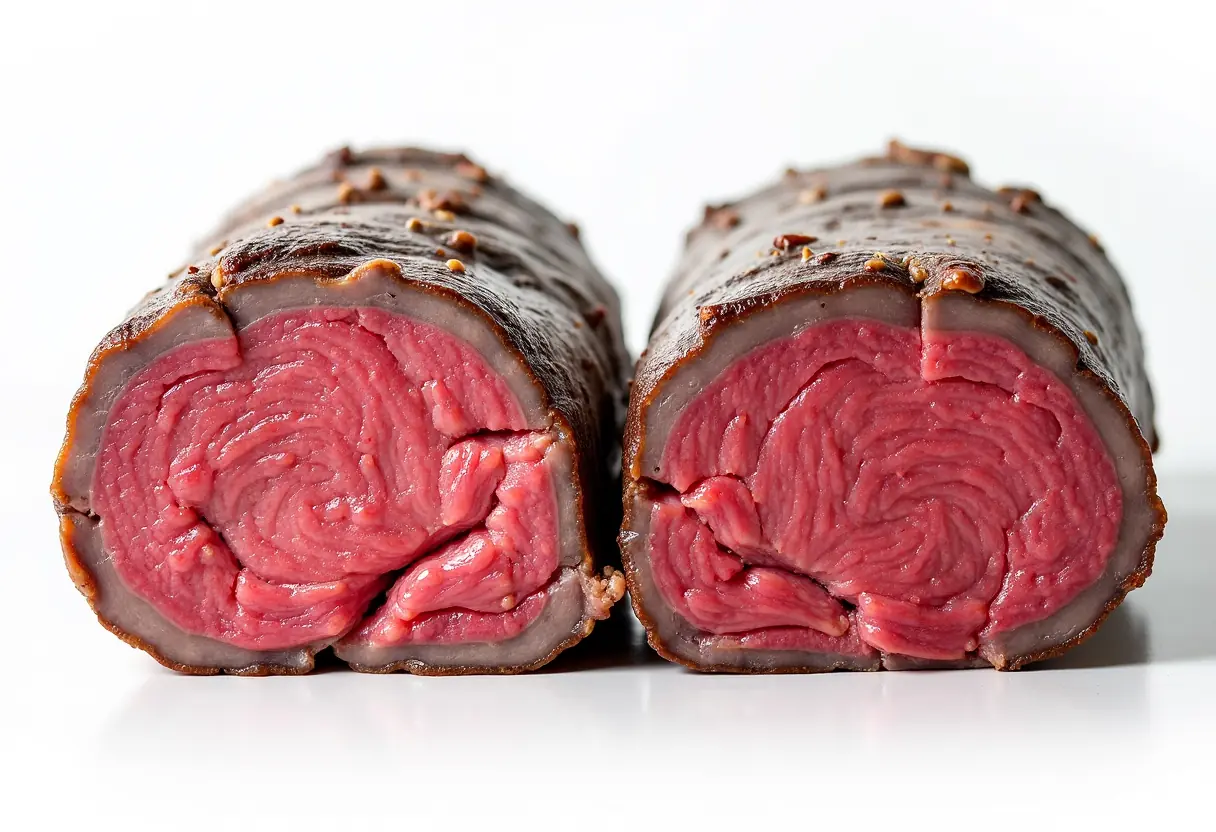
When I’m short on time or feeling lazy, I use what’s called the reverse sear. I slow roast the beef tenderloin at 275°F until it’s about 10 degrees below my target temperature, then I finish it with a quick sear in a screaming hot pan.
This method is more forgiving because the low oven temperature gives you a bigger window before the meat overcooks. I discovered this technique while cooking in a friend’s unreliable oven, and now it’s my go-to when I’m feeling stressed about timing.
The slow roasted beef tenderloin approach takes longer (about 45-60 minutes depending on size), but it produces incredibly even cooking from edge to edge. You get less of that gray ring around the outside and more of that beautiful rosy pink color throughout.
What I Do When My Oven Runs Hot or Cold
I’ve cooked in enough sketchy kitchens to know that not all ovens are created equal. The oven in my first apartment ran 50 degrees hotter than the dial said. I ruined three dinners before I figured that out.
Now, the first thing I do in any new kitchen is buy a cheap oven thermometer. I set the oven to 350°F and check what the thermometer actually reads. Then I adjust accordingly.
If your oven runs hot, drop your roasting temperature by 25 degrees. If it runs cold, bump it up. Your meat thermometer is still your best friend here—just be aware that cooking times might vary.
The Million Dollar Question: To Sear or Not to Sear?
I’ve tested beef tenderloin recipes both ways dozens of times. Here’s what I found:
Searing before roasting gives you better flavor and a more impressive-looking crust. It takes an extra 10 minutes but makes a noticeable difference in taste. Some people call this the million dollar roast beef tenderloin technique because it creates that restaurant-quality finish.
Going straight to the oven without searing still produces tender, juicy meat, but it lacks that depth of flavor and visual appeal.
My honest take? Sear it. Those 10 minutes are worth it for something you’re spending this much money on.
That said, if you’re doing a slow roasted beef tenderloin at low temperature, you can skip the initial sear and just do a quick sear at the end. Both approaches work.
What I Serve With Roasted Beef Tenderloin
I’ve served this beef tenderloin at everything from casual family dinners to fancy holiday meals. Here’s what I’ve learned about side dishes:
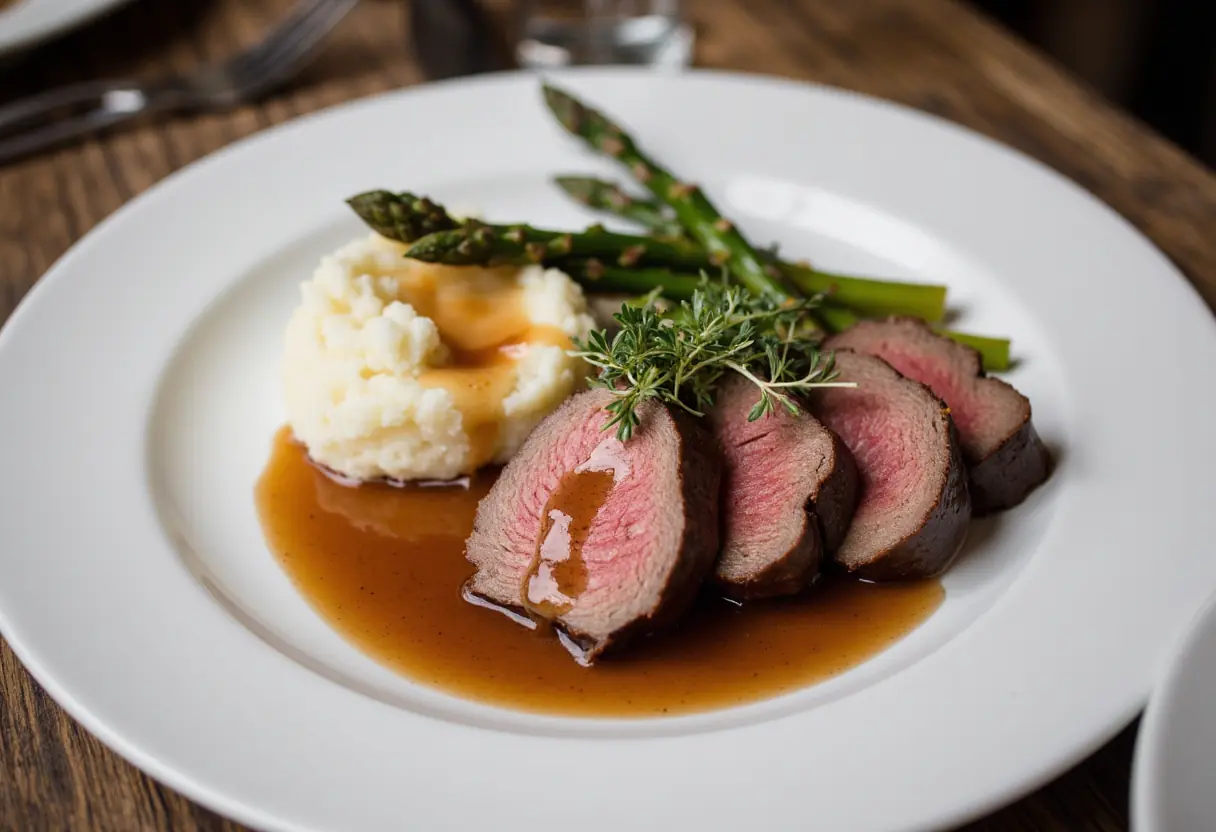
Keep them simple. The beef is the star, so I pair it with straightforward sides that don’t compete. Roasted vegetables (asparagus, Brussels sprouts, or green beans) work beautifully. A simple arugula salad with lemon and parmesan adds freshness. Creamy mashed potatoes or a potato gratin give you that comforting element.
I also make a quick pan sauce from the drippings. After removing the beef, I deglaze the pan with red wine and beef stock, reduce it down, and finish with a pat of butter. It takes five minutes and elevates the whole dish.
My Biggest Mistakes (So You Can Avoid Them)
Mistake #1: Not using a meat thermometer. I can’t stress this enough. Visual cues and timing are unreliable. A $15 thermometer saves you from ruining expensive meat.
Mistake #2: Slicing too soon. I know it’s tempting, but letting it rest makes such a difference in how juicy the final result is.
Mistake #3: Overthinking the seasoning. Salt, pepper, and good beef are all you really need.
Mistake #4: Buying the wrong size. Plan for about 8 ounces (half a pound) of untrimmed tenderloin per person. A 4-pound tenderloin feeds 8 people comfortably.
Mistake #5: Not accounting for carryover cooking. The internal temperature rises 5-10 degrees after you pull it from the oven. If you wait until it hits 135°F to remove it, you’ll end up with medium or medium-well instead of medium-rare.
How I Reheat Leftover Beef Tenderloin
Leftover beef tenderloin is a blessing, but reheating it without turning it into dry, gray meat requires a gentle approach.
I slice the beef tenderloin roast into portions, place them in a baking dish, and add a splash of beef broth to keep things moist. Then I cover tightly with foil and warm in a 250°F oven for about 15-20 minutes, just until heated through.
Never microwave it—you’ll destroy all that tender texture you worked so hard to achieve.
Better yet, I often serve leftover tenderloin cold on salads or in sandwiches. It’s absolutely delicious at room temperature.
🍴 3 Tools That Make Roasting Beef Tenderloin Foolproof
After roasting beef tenderloin in all kinds of kitchens with all kinds of equipment, these three tools have become absolute non-negotiables for me.
ThermoPro TP03 Digital Instant Read Meat Thermometer
Why I Use It: This thermometer gives me a reading in 3-4 seconds, which means I can quickly check the temperature without leaving the oven door open forever and losing heat. After ruining multiple expensive cuts by guessing, I never cook beef tenderloin without this anymore.
Best For: Anyone who wants perfect medium-rare every single time without the stress.
Safety Feature: The long probe keeps your hands away from the hot oven, and it has an auto-off feature to save battery.
Accessibility Feature: The large LCD display is easy to read even in dim kitchen lighting, and the temperature shows in both Fahrenheit and Celsius.
All-Clad Stainless Steel Roasting Pan with Rack
Why I Use It: I tested cheaper roasting pans and they warped in the oven or developed hot spots that cooked the beef unevenly. This All-Clad pan distributes heat perfectly, and the rack elevates the tenderloin so air circulates all around it for even cooking.
Best For: Anyone serious about roasting who wants a pan that’ll last decades.
Safety Feature: The heavy-duty construction stays flat and stable even at high temperatures, and the handles stay relatively cool.
Accessibility Feature: The wide handles provide a secure grip even when wearing oven mitts, making it safer to transport heavy roasts.
All-Clad Roasting Pan on Amazon
Regency Natural Cooking Twine
Why I Use It: Tying beef tenderloin is essential for even cooking, and this 100% cotton twine doesn’t burn or add weird flavors. I’ve tried cheaper twine that fell apart or left residue on my beef—never again.
Best For: Anyone who wants professional results and needs twine that works reliably every time.
Safety Feature: It’s all-natural with no synthetic materials that could melt or release chemicals at high temperatures.
Accessibility Feature: The 500-foot roll means you’ll have twine for years of cooking, and it’s easy to cut to any length you need.
Regency Cooking Twine on Amazon
❓ Your Roasted beef tenderloin Questions Answered
How long to roast beef tenderloin?
For a 4-5 pound beef tenderloin at 425°F, I roast for about 20-25 minutes after searing. But the real answer is: until your meat thermometer reads 120-125°F for medium-rare.
I’ve had tenderloins finish in 18 minutes and others take 30 minutes depending on their shape, starting temperature, and my oven’s quirks. Time is just a guideline—temperature is the truth.
What temperature for roasting beef tenderloin?
I roast at 425°F for my standard method. This high heat creates a beautiful crust while cooking the interior relatively quickly.
For slow roasted beef tenderloin, I use 275°F, which takes longer but gives incredibly even cooking. The target internal temperature is 120-125°F for medium-rare, 130-135°F for medium.
Should I sear beef tenderloin before roasting?
Yes, I always sear my beef tenderloin before roasting. Those 10 minutes of searing in a hot pan create amazing caramelized flavors that you simply don’t get from roasting alone.
I heat my pan until it’s smoking, then sear all sides until deeply browned. If you’re doing a slow roast, you can reverse this and sear after roasting instead.
How do I know when beef tenderloin is done?
The only reliable way is using a meat thermometer. I insert it into the thickest part of the tenderloin and pull it from the oven when it reads 120-125°F for medium-rare.
The temperature will rise another 5-10 degrees while it rests. Visual cues like color or firmness are too unreliable when you’re dealing with expensive beef.
How to cook beef tenderloin roast?
I take my beef tenderloin out of the fridge 45 minutes early to come to room temperature. Then I trim any silver skin, tie it with twine every 2 inches, and season generously with salt and pepper.
I sear all sides in a smoking hot pan for 2-3 minutes each, then roast at 425°F for 20-25 minutes until the internal temperature hits 120-125°F. After resting for 15 minutes, I slice and serve.
How to roast a beef tenderloin in the oven?
My oven method starts with searing the seasoned tenderloin in an oven-safe skillet on the stovetop, then transferring that same skillet to a 425°F oven.
I roast until the internal temperature reaches 120-125°F for medium-rare, which usually takes 20-25 minutes for a 4-5 pound roast. The key is using a meat thermometer rather than relying on time alone.
How do I roast a beef tenderloin?
First, I let the meat come to room temperature and trim off any silver skin. I tie it with kitchen twine, season with salt and pepper, and sear all sides in a hot pan.
Then I roast in a 425°F oven until it reaches 120-125°F internally. After a 15-minute rest, I remove the twine, slice against the grain, and serve. The whole process from start to finish takes about an hour.
How to cook a beef tenderloin roast in oven?
I preheat my oven to 425°F and sear the seasoned beef tenderloin in an oven-safe pan on all sides. Then I put the entire pan in the oven and roast for 20-25 minutes, checking the internal temperature regularly.
When it hits 120-125°F, I remove it and let it rest under foil for 15 minutes before slicing. This method gives me perfect medium-rare beef every time.
How to reheat beef tenderloin roast without overcooking?
I slice the leftover beef tenderloin and place it in a baking dish with a few tablespoons of beef broth. Then I cover it tightly with foil and warm it in a 250°F oven for 15-20 minutes, just until heated through.
The low temperature and added moisture prevent it from drying out or cooking further. Never use the microwave—it’ll turn your beautiful tender beef into something rubbery.
What to serve with beef tenderloin roast?
I keep the sides simple to let the beef shine. Roasted asparagus with lemon, creamy mashed potatoes, and a simple arugula salad are my go-to combination.
I also make a quick pan sauce by deglazing the roasting pan with red wine and beef stock. For a fancier meal, I add sautéed mushrooms or a potato gratin. The key is balancing rich, simple sides with something fresh and bright.
Final Thoughts on Roasting Beef Tenderloin
After seven years and countless beef tenderloins, I’ve learned that roasting beef tenderloin doesn’t have to be stressful or complicated. The expensive mistakes I made early on taught me that success comes down to three simple things: using a meat thermometer, not overthinking the seasoning, and having patience during the resting period.
Whether you’re making this for a holiday dinner or a special occasion, remember that beef tenderloin is actually pretty forgiving once you understand the basics. Start with good meat, season it simply, sear it for flavor, roast it to the right temperature, and let it rest. That’s the formula I use every time, and it hasn’t failed me yet.
The confidence you’ll feel when you slice into that perfectly pink roast and see your guests’ faces light up? That’s worth every minute you spend learning how to roast a beef tenderloin in the oven the right way.
You may also like to read: